How Tile Games Train the Brain: Science Explained
How Tile Games Train the Brain: Science Explained
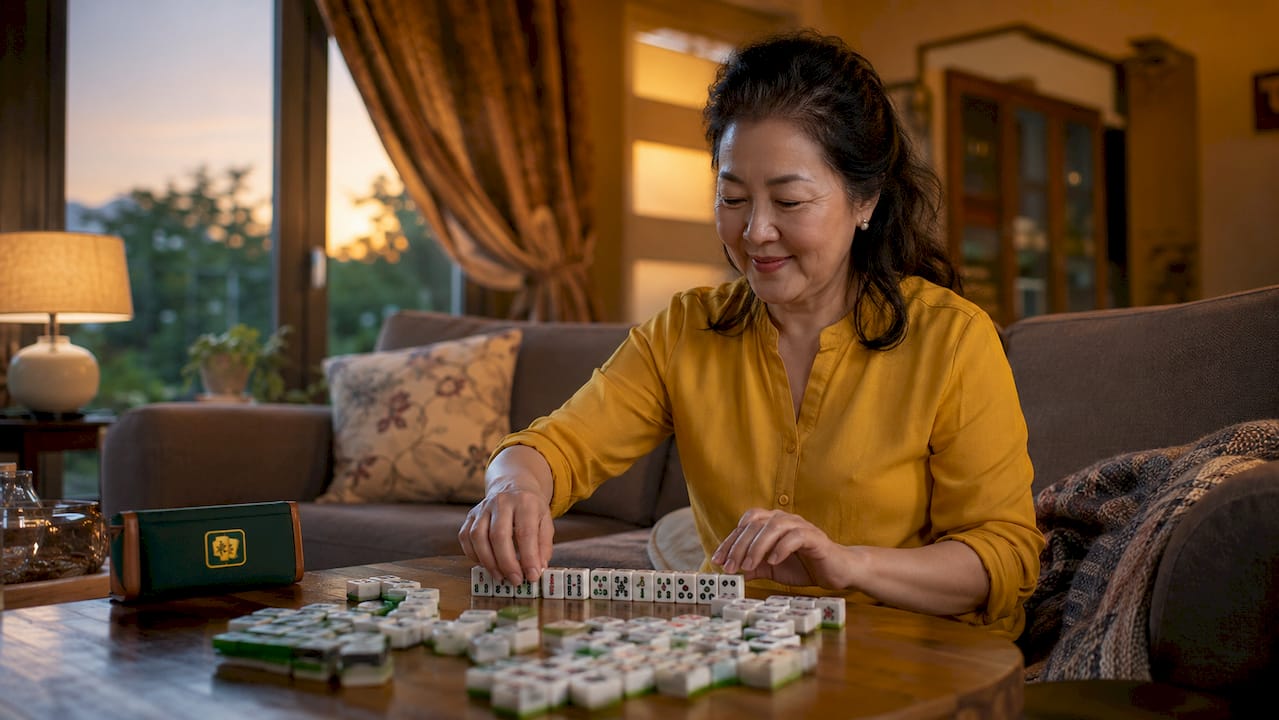
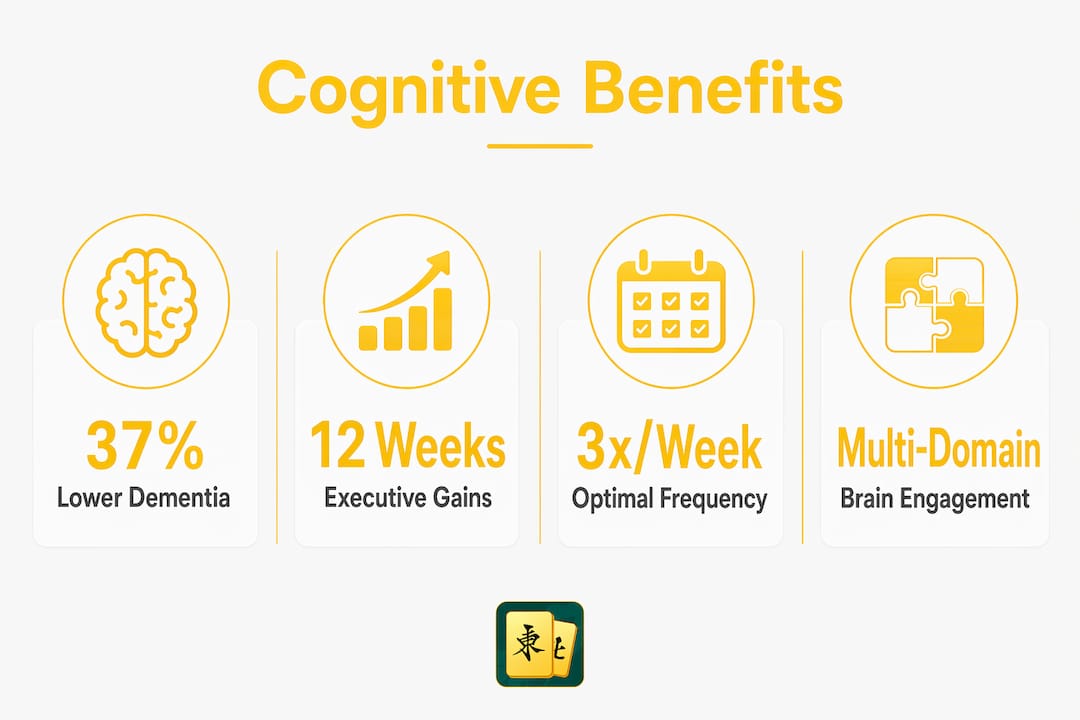
Tile games are defined as structured matching and strategy activities that simultaneously engage memory, attention, executive function, and visual-spatial processing. Research confirms that Mahjong combines memory, strategy, social interaction, and attention, activating nearly every cognitive domain in a single session. Understanding how tile games train the brain matters because the evidence is no longer preliminary. A 10-year longitudinal study tracking 11,821 adults over 65 found that daily Mahjong players carry a 37% lower risk of developing dementia compared to non-players. That figure represents one of the strongest associations between a recreational activity and long-term brain health in the published literature. Mahjong Online Club is built around exactly this research.
How tile games train the brain: the cognitive functions at work
Tile games exercise the brain by forcing multiple cognitive systems to operate at the same time. That simultaneous demand is what separates them from passive entertainment or single-skill exercises.
Working memory under constant pressure
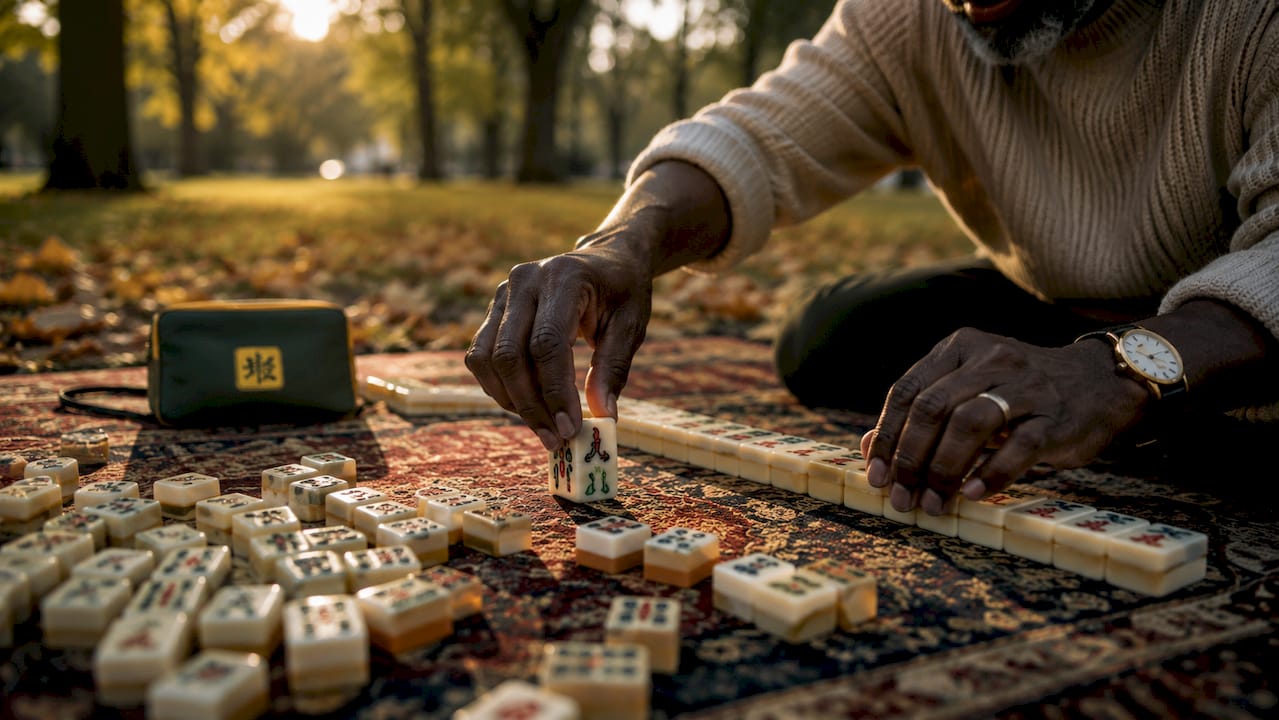
Working memory is the mental workspace where you hold and update information in real time. In Mahjong, you track which tiles have been discarded, which remain in the wall, and which combinations your opponents are building. That constant updating mirrors the working memory drills used in clinical cognitive training programs, but it happens naturally during play.
Attention and sustained focus
Sustained attention means staying mentally present across an entire session without drifting. Tile games demand it because a single missed discard can change your entire strategy. Players who track tile patterns across multiple rounds build the habit of directed focus, which transfers to everyday tasks like reading, driving, and following complex conversations.
Executive function and strategic planning
Executive function covers planning, mental flexibility, and inhibitory control. Every decision in Mahjong requires you to weigh your current hand against what opponents are signaling, then suppress the impulse to chase a losing strategy. That cycle of evaluate, plan, and adjust is the core mechanism behind executive function training.
Visual-spatial processing and pattern recognition
Tile games require you to recognize shapes, rotations, and sequences across a physical or digital board. This trains visual-spatial processing, the same cognitive skill used in navigation, engineering, and reading comprehension. Mahjong Online Club's tile-matching format specifically reinforces pattern recognition through its clean, distraction-free interface.
Here is a summary of the cognitive functions tile games train:
- Working memory: Holding and updating tile information across every turn
- Sustained attention: Staying focused on board state through an entire game
- Executive function: Planning sequences, switching strategies, and suppressing poor moves
- Pattern recognition: Identifying matching tiles and suit sequences quickly
- Processing speed: Making decisions under time pressure or competitive conditions
- Visual-spatial processing: Reading tile orientation, board layout, and positional relationships
Pro Tip: Start each session by setting a specific mental goal, such as tracking every bamboo tile discarded. Focused intent sharpens attention faster than passive play.
What does the science say about tile games and brain health?
The research base for tile games and cognitive health has grown substantially. The findings now span short-term intervention trials, decade-long longitudinal studies, and broad meta-reviews.
A 12-week intervention study found that playing Mahjong three times per week produces measurable gains in executive function, memory, and daily task management in older adults. Three sessions per week is a realistic commitment, and the gains appeared within three months.
A scoping review published in june 2026 analyzed 53 separate studies and confirmed that Mahjong enhances cognitive performance while also reducing depressive symptoms in older adults. That dual finding matters because cognitive decline and depression frequently co-occur, and most single interventions address only one.
Longitudinal data adds further weight. Mahjong players maintain or improve cognitive test scores over a decade, while non-players show measurable decline across the same period. That trajectory difference is the clearest argument for starting early and playing consistently.
"Geriatricians and psychologists point to Mahjong's social component as a key factor in mitigating cognitive decline risks linked to isolation and loneliness. Social engagement during play provides a layer of protection that no solo puzzle or memory app can replicate."
| Study type | Key finding | Timeframe |
|---|---|---|
| Longitudinal cohort (11,821 adults) | 37% lower dementia risk in daily players | 10 years |
| Intervention trial | Executive function and memory gains | 12 weeks |
| Scoping review (53 studies) | Cognitive improvement and reduced depression | Published june 2026 |
| Longitudinal cognitive tracking | Stable or improving test scores vs. decline in non-players | 10 years |
The social dimension deserves its own emphasis. Loneliness carries cognitive risks comparable to smoking in aging populations. Tile games address that risk directly by creating structured social interaction around every session.
How do tile games compare with other cognitive training methods?
Tile games occupy a distinct position among brain training options. They combine cognitive challenge, social engagement, and genuine enjoyment in a way that most alternatives do not.
Standard memory apps deliver repetitive drills with limited social contact. They can improve narrow skills like digit recall, but adherence drops sharply after the first few weeks because the experience is not inherently rewarding. Tile games succeed where apps struggle because Mahjong doesn't feel like mental health care. Players return because they want to, not because they scheduled a training session.
Crossword puzzles and Sudoku train specific domains well, primarily verbal memory and numerical reasoning. They lack the social layer and the real-time strategic pressure that tile games generate. A crossword player works alone at their own pace. A Mahjong player reads opponents, adapts under pressure, and manages social dynamics simultaneously.
Tile games also build what researchers call cognitive reserve, the brain's capacity to adapt and compensate despite age-related changes. Cognitive reserve does not prevent Alzheimer's outright, but it delays the point at which neurological changes produce noticeable symptoms. That delay can represent years of functional independence.
| Training method | Cognitive domains covered | Social component | Long-term adherence |
|---|---|---|---|
| Tile games (e.g., Mahjong) | Memory, attention, executive function, visual-spatial | High | High |
| Memory apps | Working memory, processing speed | None | Low to moderate |
| Crossword puzzles | Verbal memory, language | Low | Moderate |
| Sudoku | Numerical reasoning, logic | None | Moderate |
| Physical exercise | General brain health, mood | Variable | Moderate to high |
Pro Tip: Pair tile game sessions with a regular social commitment, such as a weekly group or online club. The social accountability increases how often you play, which directly increases cognitive benefit.
How can you incorporate tile games into your routine for real brain gains?
Consistency matters more than session length. The 12-week intervention study used three sessions per week, and that frequency produced measurable results. You do not need to play daily to benefit, though daily play correlates with the strongest long-term outcomes.
Follow these steps to build tile games into your routine effectively:
- Start with clear rules. Learn the basic rules and goals of Mahjong before focusing on strategy. Confusion about rules wastes cognitive energy that should go toward pattern recognition and planning.
- Set a session length you can sustain. Twenty to thirty minutes per session is enough to enter a focused state without fatigue. Shorter sessions practiced consistently outperform occasional marathon games.
- Apply progressive overload. Continuously increasing challenge is the mechanism that prevents cognitive plateau. Move from beginner layouts to faster time limits, more complex tile sets, or competitive play as your skill grows.
- Track your discard decisions. After each game, review two or three discard choices you made. This post-game reflection strengthens executive function by forcing you to evaluate your own reasoning.
- Join a community. The social benefits of Mahjong are not optional extras. They are a core mechanism. Playing with others, even online, reduces isolation and adds the social cognitive load that solo puzzles cannot provide.
- Use flow state intentionally. Tile games induce a mental flow state that interrupts rumination and reduces anxiety. Schedule sessions during high-stress periods, not just when you feel relaxed.
Pro Tip: Use a beginner strategy guide in your first month. Learning specific techniques like two-sided waits and discard prioritization gives your brain concrete problems to solve, which accelerates skill and cognitive gains simultaneously.
Key takeaways
Tile games train the brain by simultaneously engaging working memory, executive function, attention, and social cognition, producing measurable cognitive benefits that passive entertainment and single-skill apps cannot match.
| Point | Details |
|---|---|
| Multi-domain engagement | Tile games activate memory, attention, executive function, and visual-spatial processing in every session. |
| Dementia risk reduction | Daily Mahjong play correlates with a 37% lower dementia risk over a 10-year period. |
| Cognitive reserve building | Regular play builds brain adaptability, delaying symptom onset from age-related neurological changes. |
| Social component is critical | Social interaction during tile games reduces isolation risk, which rivals smoking as a cognitive threat. |
| Progressive overload drives gains | Increasing game difficulty over time prevents plateau and sustains long-term cognitive improvement. |
Why tile games are the most underrated brain training tool I know
I have spent years studying cognitive training methods, and the pattern I keep seeing is this: the tools with the strongest research backing are rarely the ones people actually stick with. Memory apps get downloaded and abandoned. Crossword books sit half-finished on nightstands. Tile games, particularly Mahjong, are the exception.
What strikes me most is how the cognitive load in Mahjong is distributed. You are not drilling one skill in isolation. You are managing a hand of tiles, reading your opponents' discards, updating your strategy in real time, and doing all of this while engaged in conversation. That combination is closer to real-world cognitive demand than any app I have tested.
The social component is the piece most cognitive training programs ignore entirely. Loneliness is a genuine health risk, and tile games address it structurally. Every session is a social event. That is not a side benefit. It is a core mechanism, and the research on long-term adherence confirms it.
My honest observation is that people who play tile games regularly do not think of themselves as doing brain training. They think of themselves as playing a game they enjoy. That framing is exactly why it works. Adherence is the single biggest predictor of cognitive benefit from any training method, and enjoyment is the single biggest driver of adherence.
If you are serious about cognitive health, stop looking for the perfect app and start playing a game that demands your full attention and brings other people into the room.
— Dmytro Romaniuk
Mahjong Online Club: your next step in brain training
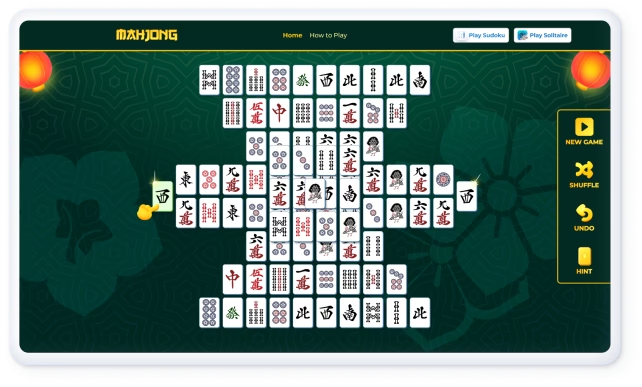
Mahjong Online Club gives you immediate access to free, browser-based Mahjong with no registration required. The platform is built around the cognitive benefits of tile matching, with a clean, ad-free interface designed to support focus and pattern recognition rather than distract from them.
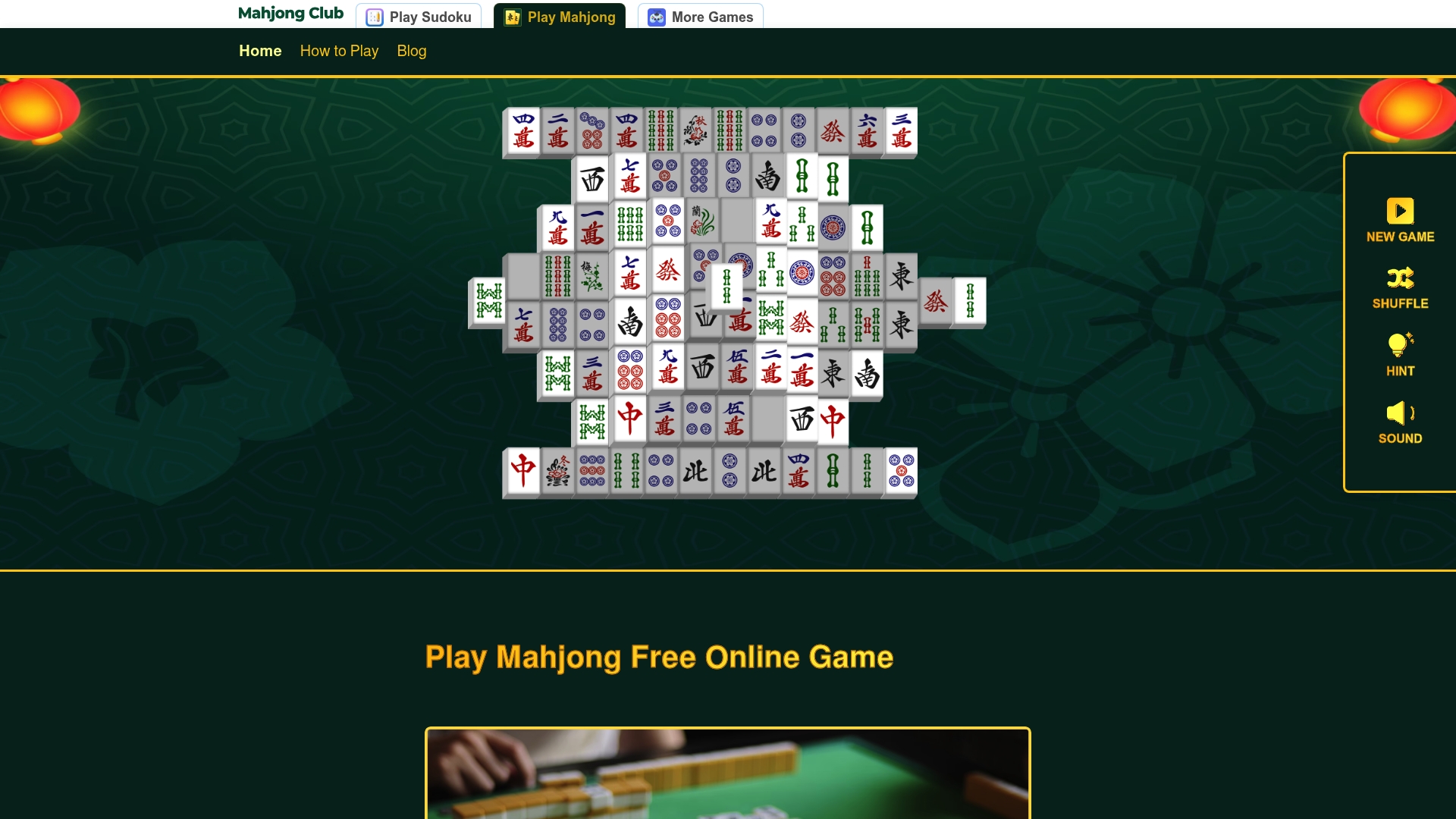
Whether you are new to tile games or returning after a break, Mahjong Online Club is a practical starting point. The single-player format lets you build skills at your own pace, while the site's strategy guides give you concrete techniques to apply from your first session. Play free Mahjong directly at Mahjong Online Club and put the research into practice today.
FAQ
Do tile games actually improve memory?
Yes. A 12-week study found that playing Mahjong three times per week produces measurable gains in memory and executive function in older adults. The working memory demands of tracking tiles and discards drive this improvement.
How often should you play tile games for cognitive benefits?
Three sessions per week for at least 12 weeks produces documented cognitive gains. Daily play correlates with the strongest long-term outcomes, including a 37% lower dementia risk over a decade.
Are tile games better than memory apps for brain training?
Tile games cover more cognitive domains and sustain higher long-term adherence than standard memory apps. The added social component addresses isolation risk, which apps cannot replicate.
What is cognitive reserve and how do tile games build it?
Cognitive reserve is the brain's capacity to adapt despite age-related changes. Regular tile game play builds this reserve by continuously challenging multiple cognitive systems, delaying the onset of noticeable symptoms from neurological decline.
Can tile games help with anxiety and mood?
Yes. Tile games induce a mental flow state that interrupts rumination and reduces anxiety symptoms. A review of 53 studies also confirmed that Mahjong reduces depressive symptoms in older adults alongside its cognitive benefits.
Recommended
Similar Articles
Hong Kong mahjong scoring: fan table, limits, examples
Expert guide to Hong Kong mahjong scoring with a fan table, limit hands, and worked examples. Data-backed, tournament-ready tips for fast, accurate payouts.

Top 6 Play123.com Mahjong Game Alternatives 2026
Explore 6 Play123.com alternatives for Mahjong games. Decide which game suits your style for relaxation and cognitive benefits today.
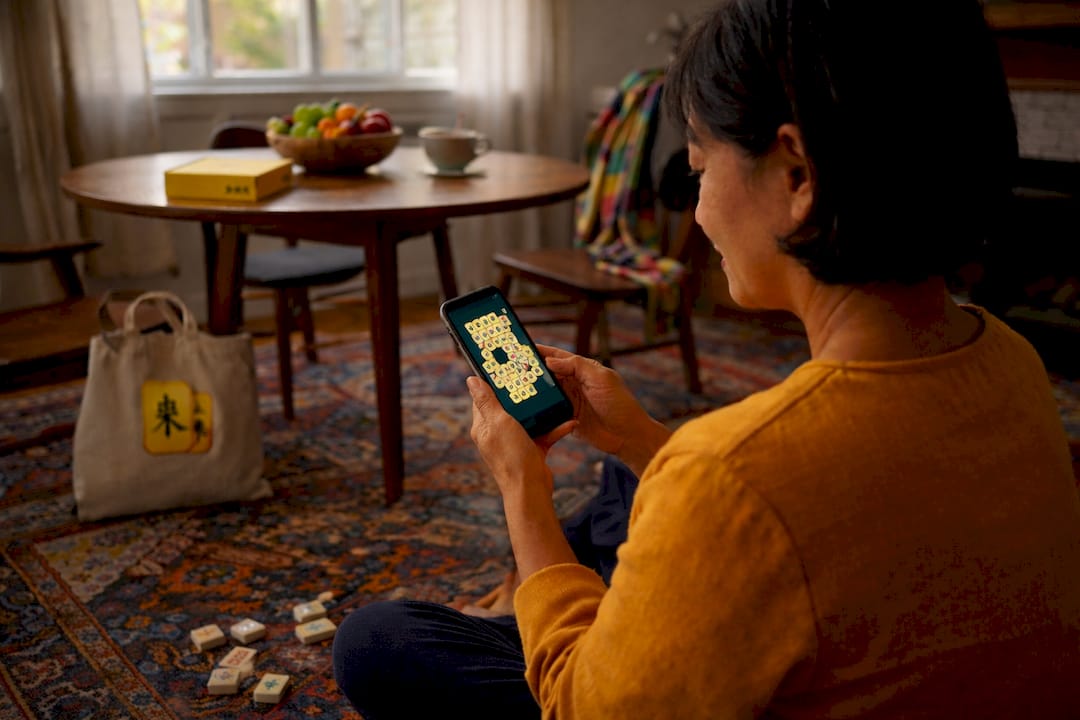
Why Mahjong Solitaire Has No Opponents: Full Explained
Discover why Mahjong Solitaire has no opponents. Learn how this single-player game offers a unique challenge and captivates millions daily.