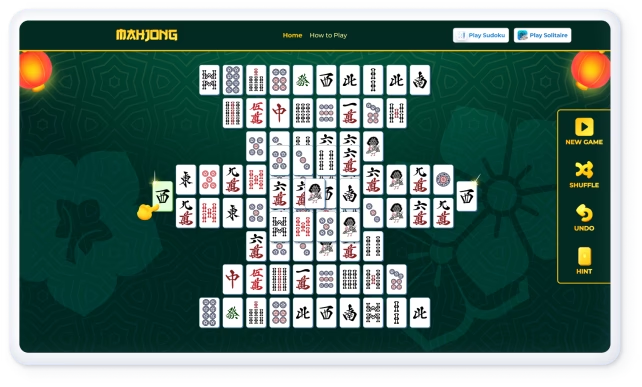
Why Mahjong Calms the Mind: The Science Behind It
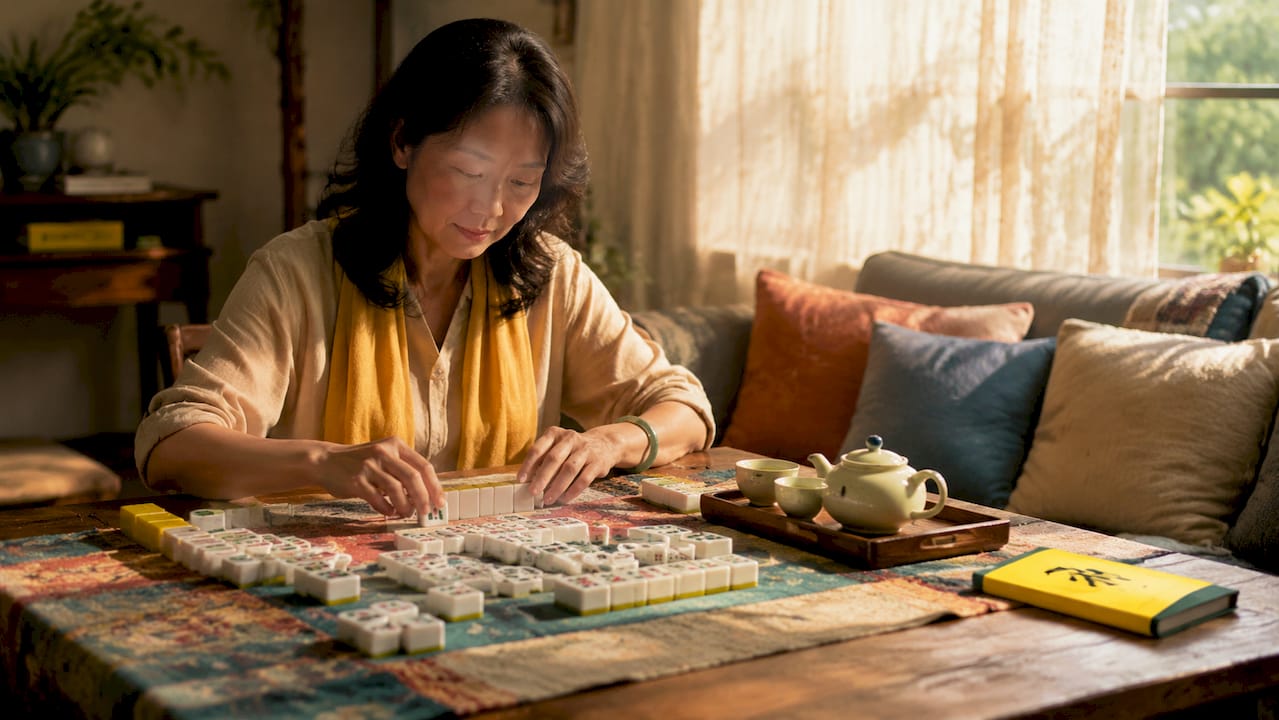
Why Mahjong Calms the Mind: The Science Behind It
Mahjong calms the mind by anchoring attention so completely that stress and anxiety lose their grip. The game activates attention, working memory, strategic thinking, and executive function all at once, creating a flow state that interrupts unproductive mental chatter. A 2024 review of 53 studies confirmed cognitive and psychological benefits from regular mahjong play, particularly in older adults. Licensed therapists and psychologists now point to mahjong as a mindfulness tool that rivals dedicated meditation practices. The combination of cognitive demand, sensory ritual, social engagement, and small rewarding wins makes this ancient tile game one of the most complete mental wellness activities available.
Why mahjong calms the mind: cognitive engagement and flow
Mahjong produces mental calmness through a specific mechanism: it demands enough cognitive effort to crowd out worry, but not so much that it causes frustration. That balance is the key. When your brain is fully occupied with reading the board, tracking discards, and planning your next move, there is simply no bandwidth left for rumination.
The cognitive domains engaged during a single game include:
- Attention: You scan 144 tiles and monitor your opponents' discards simultaneously.
- Working memory: You hold your current hand, your target hand, and recent discards in mind at once.
- Strategic thinking: You weigh which tiles to keep and which to release based on probability.
- Executive function: You set goals, shift plans when draws disappoint, and regulate impulsive decisions.
- Pattern recognition: You spot matching pairs and potential sequences across a complex tile layout.
This multi-domain engagement is what psychologists describe as a flow state. Flow is the mental condition where challenge and skill meet perfectly, producing effortless focus and a quiet, absorbed calm. Mahjong hits that target reliably because its difficulty scales with your experience level.
A 2024 review of 53 studies on mahjong's mental benefits in older adults found consistent improvements in cognitive scores. That body of evidence tells us the calming effect is not incidental. It is built into the game's structure.
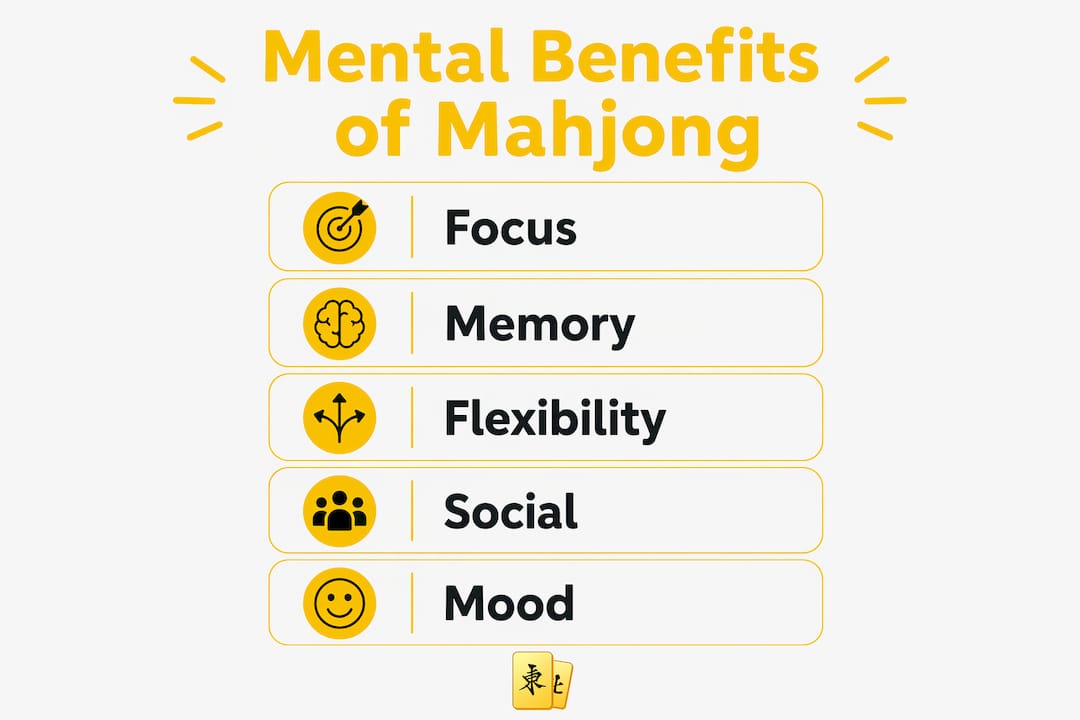
Pro Tip: If your mind keeps wandering during play, tighten your focus by tracking every tile your opponents discard. This single habit forces sustained attention and deepens the flow state faster than any other technique.
Mental flexibility is another underrated benefit. Mahjong requires constant strategy pivoting when your expected tiles do not appear. Psychologists link this adaptability practice to reduced overthinking in daily life. Players who regularly revise their in-game plans build a mental habit of releasing fixed expectations, which directly lowers anxiety outside the game.
How sensory rituals in mahjong reset the nervous system
Mahjong delivers a sensory experience that most digital games cannot replicate. The physical act of handling tiles, the rhythmic clacking sound during shuffling, and the structured pre-game ritual all work together to calm the central nervous system before a single tile is drawn.
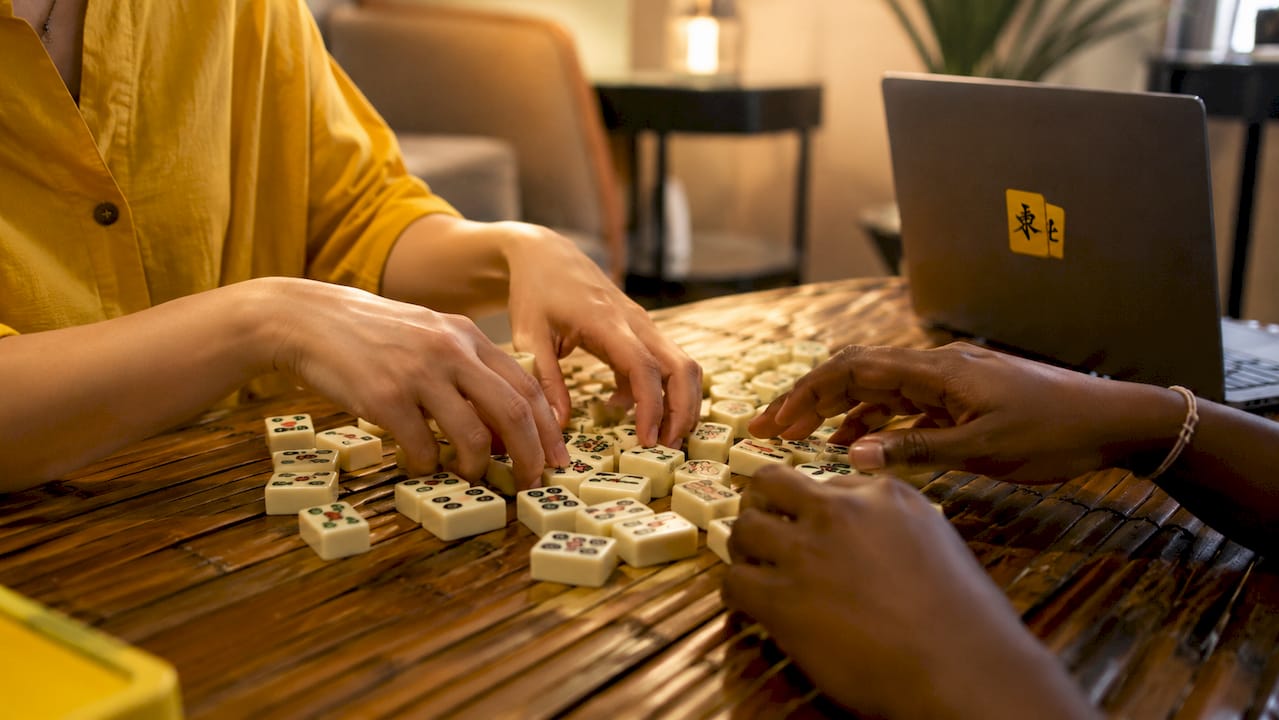
The shuffling process, traditionally called "washing" the tiles, is more than preparation. Experts describe this tactile ritual as a sensory reset that anchors attention and prepares the brain for focused play. The repetitive motion and the sound it produces signal to your nervous system that a structured, predictable activity is beginning. That signal reduces cortisol and shifts your brain toward a calmer baseline.
The auditory element is equally powerful. The rhythmic clacking of mahjong tiles has been compared to sparrow chatter by experts in 2026, describing it as a soothing, predictable trigger for anxiety reduction. Predictable sound patterns calm the nervous system because they confirm that the environment is safe and ordered. This is the same principle behind white noise machines and rain sounds used in sleep therapy.
Key sensory anchors that support relaxation during mahjong:
- The weight and texture of tiles in your hand
- The rhythmic sound of tiles being mixed on the table
- The visual order of sorting your hand into groups
- The structured turn sequence that creates a predictable rhythm
Pro Tip: Before your first draw, take three slow breaths during the tile-washing phase. Pairing the sensory ritual with intentional breathing amplifies the calming effect and sets a mindful tone for the entire session.
Online versions of mahjong preserve much of this sensory structure through visual tile sorting and the satisfying click of matching pairs. Mahjong Online Club builds its interface around this principle, keeping the experience clean and distraction-free so the sensory focus remains intact.
Does social mahjong reduce stress and anxiety?
Social mahjong reduces stress through a mechanism that solo activities cannot replicate: it replaces isolation with structured, positive human connection. Licensed therapists identify social gaming as a direct antidote to burnout and withdrawal, and mahjong's group format makes it one of the most effective vehicles for that connection.
Here is how the social dimension of mahjong supports mental wellness:
- Routine and structure: Regular game sessions create a predictable social calendar. Predictability reduces baseline anxiety because your brain stops scanning for threats when it knows what comes next.
- Shared laughter: Mahjong tables generate genuine humor through unexpected draws, bold discards, and near-miss wins. Laughter triggers endorphin release, which lowers stress hormones directly.
- Positive distraction: Conversation and friendly competition redirect mental energy away from personal worries. This is not avoidance. It is a healthy interruption of the stress cycle.
- Emotional engagement: Caring about the outcome of a shared game creates a sense of belonging. That feeling of connection is one of the strongest buffers against anxiety and depression.
Licensed therapists emphasize that social gaming combats the burnout and withdrawal that often accompany modern stress. Mahjong is particularly effective because it requires enough attention to prevent passive scrolling behavior, yet leaves enough conversational space for genuine connection between players.
A longitudinal Chinese study tracking 7,000 older adults over ten years found that regular mahjong players maintained higher cognitive scores than non-players. The social component of those sessions likely contributed to that outcome. Social engagement protects both cognitive function and emotional resilience simultaneously.
Mahjong also bridges isolation and burnout by providing familiar routine alongside new social interaction. That combination is rare in leisure activities. Most hobbies offer one or the other. Mahjong delivers both, which is why therapists increasingly recommend it as part of a mental wellness routine rather than just entertainment.
How small wins in mahjong support mood and mental well-being
Mahjong generates a steady stream of small, achievable goals throughout every session. Drawing a tile that completes a sequence, clearing a difficult pair, or successfully reading an opponent's discard pattern each produces a measurable sense of satisfaction. Psychologists identify these moments as dopamine releases that reinforce positive mood without the negative comedown associated with passive screen time.
This is a critical distinction. Doomscrolling and passive video consumption also trigger dopamine, but through unpredictable, high-intensity spikes that leave the brain craving more stimulation. Mahjong's rewards are incremental and skill-based. You earn them through attention and decision-making, which means the satisfaction feels grounded rather than hollow.
| Engagement type | Dopamine pattern | Mood outcome |
|---|---|---|
| Mahjong small wins | Steady, skill-earned releases | Sustained positive mood |
| Passive doomscrolling | Unpredictable, high-intensity spikes | Anxiety and craving more |
| Completing a full hand | Strong reward tied to sustained effort | Confidence and calm |
| Drawing a key tile | Immediate, proportionate satisfaction | Motivation to continue |
Pro Tip: Set a personal goal before each session, such as completing a specific hand type or improving your discard timing. Defined targets make the dopamine rewards feel more intentional and amplify the mood benefit.
The mental health benefits of mahjong extend beyond the session itself. Players report lower baseline anxiety on days they play regularly, which suggests the dopamine and flow state effects carry forward into daily life. That carryover is what separates mahjong from a simple distraction. It functions more like a mental wellness practice with measurable, lasting effects on mood and stress levels.
Key Takeaways
Mahjong calms the mind through cognitive engagement, sensory ritual, social connection, and skill-based rewards that collectively interrupt stress and build lasting mental resilience.
| Point | Details |
|---|---|
| Flow state is the core mechanism | Full cognitive engagement in mahjong crowds out anxiety and stops rumination. |
| Sensory rituals prepare the brain | Tile washing and rhythmic clacking calm the nervous system before play begins. |
| Social play reduces isolation | Structured group sessions lower stress hormones and build emotional connection. |
| Small wins sustain positive mood | Skill-earned dopamine releases improve mood without the crash of passive screen time. |
| Long-term play builds resilience | Regular mahjong strengthens mental flexibility and cognitive scores over time. |
What I've learned from watching mahjong change how people think
I have spent years observing how people respond to mahjong, both as a game and as a mental wellness tool. The most consistent pattern I see is this: players who start for fun stay for the calm. They come in expecting entertainment and leave with something closer to clarity.
The conventional wisdom says you need meditation apps, breathing exercises, or structured mindfulness programs to manage stress. My experience says otherwise. Mahjong delivers many of the same outcomes because it forces the same core skill: sustained, non-judgmental attention on the present moment. You cannot worry about tomorrow's meeting while tracking which bamboo tiles have been discarded.
For beginners, I always recommend starting with the solitaire format before moving to multiplayer. The solitaire version removes social pressure and lets you absorb the sensory and cognitive benefits at your own pace. Once you feel comfortable with tile recognition and basic strategy, the social dimension adds another layer of mental wellness that solo play cannot provide.
The insight most people miss is that mahjong's calming effect compounds over time. The first few sessions feel like learning. By the tenth session, the tile-washing ritual alone triggers a measurable shift in your mental state. That is conditioning, and it is exactly how mindfulness practices work. Mahjong builds the same neural pathways, just through a more engaging route.
My honest recommendation: treat mahjong as a scheduled practice, not an occasional pastime. Even two sessions per week, played with intention, produce noticeable reductions in baseline stress within a month.
— Dmytro Romaniuk
A calmer mind is one free game away
Mental clarity does not require a complicated routine. Sometimes it starts with 144 tiles and fifteen minutes of focused play.
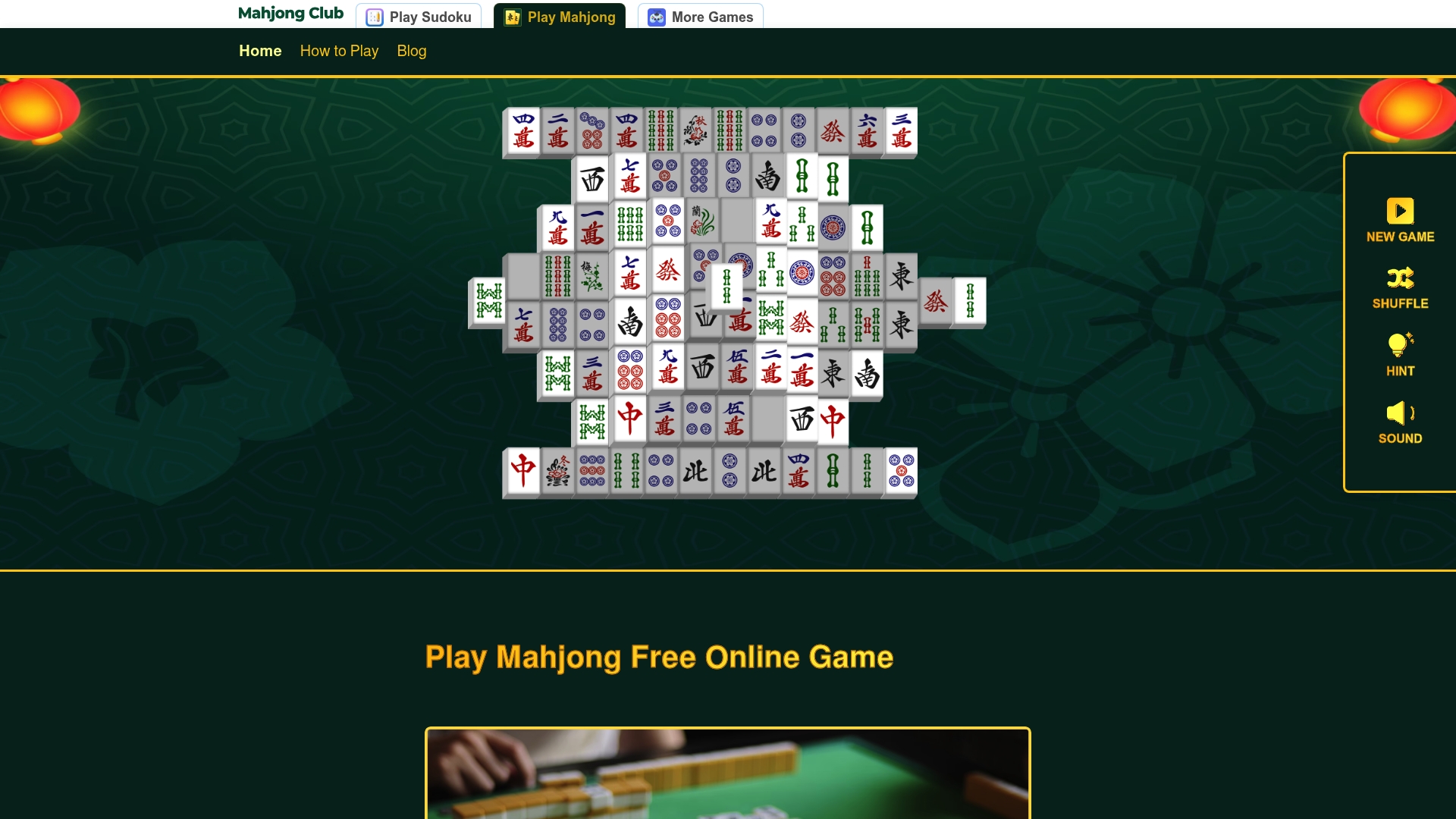
Mahjong Online Club offers free, browser-based mahjong with no registration required. The platform is built specifically for players who want a clean, distraction-free experience that supports focus and relaxation. Whether you are new to the game or returning after years away, the classic tile game is ready the moment you open your browser. Beginners can start with the rules and strategy guide to build confidence quickly. No downloads, no ads, no friction. Just the game and the calm it delivers.
FAQ
Why does mahjong calm the mind?
Mahjong calms the mind by creating a flow state through simultaneous engagement of attention, working memory, and strategic thinking. This cognitive load leaves no mental space for anxiety or rumination.
How does mahjong reduce anxiety?
Mahjong reduces anxiety through sensory rituals like tile washing, social connection during group play, and skill-based dopamine rewards that stabilize mood without the negative effects of passive screen time.
What are the mental benefits of playing mahjong regularly?
Regular mahjong play improves cognitive flexibility, pattern recognition, and working memory, while also lowering stress linked to social isolation. A longitudinal study tracking 7,000 older adults found sustained cognitive advantages in regular players.
Can mahjong work as a mindfulness practice?
Mahjong functions as a mindfulness practice because it anchors attention to the present moment through tile tracking, discard reading, and strategic decision-making. The pre-game washing ritual reinforces this effect by preparing the brain for focused engagement.
Is mahjong good for mental health in older adults?
Mahjong is particularly beneficial for older adults. A 2024 review of 53 studies found consistent cognitive and psychological improvements, and a ten-year longitudinal study showed that regular players maintained higher cognitive scores than non-players.
Recommended
Similar Articles
Why Mahjong Improves Memory: What Science Says
Discover why mahjong improves memory with science-backed insights. Unleash cognitive benefits and enhance your brain health today!
Why Some Mahjong Games Are Unsolvable: 2026 Guide
Discover why some mahjong games are unsolvable. This 2026 guide explores layout, strategy, and mechanics to enhance your gameplay.
Mahjong Winning Patterns: Examples for All Skill Levels
Explore examples of mahjong winning patterns for all skill levels. Master strategies from beginner hands to rare high-value combinations!