Mahjong Winning Patterns: Examples for All Skill Levels
Mahjong Winning Patterns: Examples for All Skill Levels
A standard winning mahjong hand is defined as 14 tiles arranged into 4 sets and 1 pair, where each set is a sequence (Chow), a triplet (Pung), or a quad (Kong). Knowing this structure is the foundation of every winning strategy. The examples of mahjong winning patterns covered here range from beginner-friendly Chow-based hands to rare, high-value hands like Thirteen Orphans. Each pattern has a specific formation, a scoring value, and a strategic context that tells you when to chase it and when to abandon it. Whether you are new to the game or building on solid fundamentals, these examples give you a concrete framework to raise your win rate.
1. Examples of mahjong winning patterns: the core structure
Every winning hand in mahjong follows one rule: 4 sets plus 1 pair. Sets break down into three types. A Chow is a sequence of three consecutive tiles in the same suit, such as 3, 4, 5 of Bamboo. A Pung is three identical tiles, such as three West Wind tiles. A Kong is four identical tiles and counts as one set. The pair, called the "eyes" of the hand, must be two matching tiles.
Understanding mahjong tile symbols and suits is the first step to recognizing which pattern you are building toward. The three numbered suits are Bamboo, Characters, and Circles. Honor tiles include the four Winds and three Dragons. Knowing which tiles belong to which category lets you spot pattern opportunities faster as the game progresses.
2. All Sequences (Ping Hu): the beginner's fastest path to winning
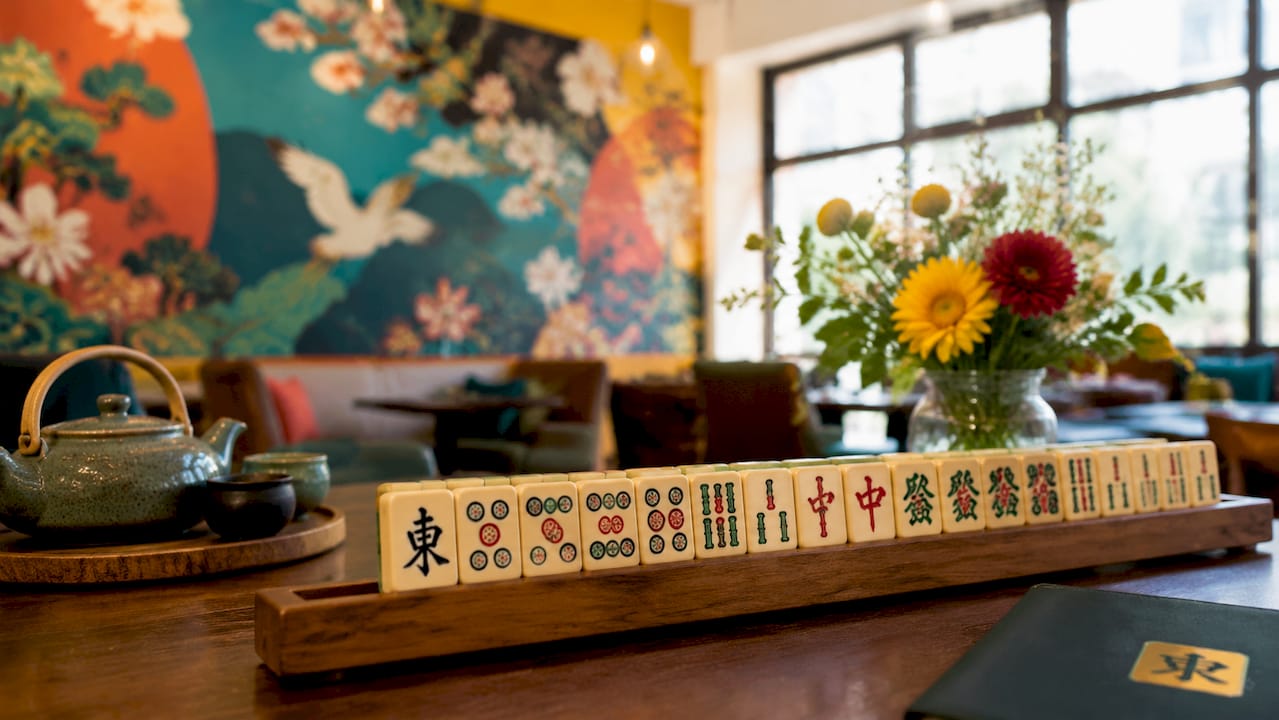
All Sequences, also called Ping Hu or All Chows, is four Chows plus one pair. It is the most beginner-friendly winning hand because sequences are easy to build from a wide range of draws. You do not need specific tiles to complete it, which keeps your options open throughout the hand.
The trade-off is scoring. All Sequences hands score lower than Pung-based or flush-based hands. Speed is the main advantage. You can often complete this hand before opponents finish more complex patterns.
- Pros: Fast to build, flexible tile requirements, good for learning tile efficiency
- Cons: Low scoring value, easy for opponents to read if you call too many Chows
- Best use: Early in your mahjong practice, or when the draw is slow and you need a quick win
Pro Tip: Build All Sequences hands with two-sided waits whenever possible. A two-sided wait means you can win on two different tiles instead of one, which statistically speeds up your win.
3. All Pungs: power through repetition
All Pungs is four triplets plus one pair. It plays very differently from All Sequences because you need three identical tiles for each set. This hand scores higher than All Sequences and signals a more deliberate, patient play style.
The challenge is tile availability. Drawing three identical tiles takes longer than building a sequence. Calling a Pung from an opponent's discard helps, but it reveals your hand direction. Opponents who notice multiple Pung calls will start holding back tiles you need.
- Pros: Higher scoring than All Sequences, satisfying to complete
- Cons: Slower to build, telegraphs your hand to opponents
- Best use: When you draw two matching tiles early and a third appears quickly
4. Seven Pairs: a pattern that breaks the standard structure
Seven Pairs is a distinct winning hand made from seven unique pairs instead of the standard 4 sets and 1 pair. It is one of the few patterns that breaks the normal structure entirely. This makes it a useful option when your draw does not naturally form into sets.
Seven Pairs sits at moderate difficulty. You need exactly two of each tile across seven different tiles, with no repeats allowed in most rulesets. The hand rewards players who recognize matching pairs early and commit to the pattern before too many tiles are discarded.
- Pros: Unique structure gives you an alternative path when sets are not forming
- Cons: Requires exactly the right pairs, which can stall if key tiles are discarded
- Best use: When you hold three or four pairs within the first several draws
Pro Tip: Track which pairs are still live in the wall. If two of your target tiles have already been discarded, pivot away from Seven Pairs immediately.
5. Intermediate patterns that improve your scoring
Once you are comfortable with basic hands, these three intermediate patterns add real scoring depth to your game.
Half Flush (one suit plus honors): This hand uses tiles from a single numbered suit combined with honor tiles (Winds and Dragons). It scores well and offers more flexibility than a full single-suit hand. You can use honor tiles as your pair or as Pungs, which gives you multiple building paths.
Two Concealed Pungs: This pattern rewards you for completing triplets without calling tiles from opponents. Concealed Pungs score more than declared ones. Building two of them in the same hand adds a meaningful bonus. The key is patience: do not call a Pung unless you must.
Pure Straight: This hand requires three Chows that together form a complete 1-through-9 sequence in one suit, such as 1-2-3, 4-5-6, and 7-8-9 of Circles. It is a satisfying pattern to complete and scores a solid bonus in most rulesets.
Pro Tip: When building a Half Flush, prioritize your honor tile Pungs first. Honor tiles cannot form sequences, so they have only one use. Locking them in early keeps your numbered suit tiles free for sequences or additional Pungs.
Intermediate patterns reward flexible hand building and the ability to shift between offense and defense. Successful players track two potential hands simultaneously, pivoting after several draws if the primary pattern stalls. This habit separates consistent winners from players who chase one hand all game.
6. Rare and advanced winning patterns
These three hands are high-value and high-risk. They require specific tile combinations that are difficult to assemble, but they score significantly more than standard hands.
| Pattern | Tile Requirement | Difficulty | Scoring Value |
|---|---|---|---|
| Full Flush | All tiles from one numbered suit | Hard | Very high |
| Thirteen Orphans | One each of 1 and 9 in all three suits, all four Winds, all three Dragons, plus one duplicate | Very hard | Maximum |
| All Honors | Four Pungs or Kongs using only Winds and Dragons, plus a pair | Hard | Very high |
Full Flush requires every tile in your hand to come from a single suit. Chasing Full Flush without strong early tile alignment lowers your winning chances significantly. Commit to it only when you draw five or more tiles from one suit in your opening hand.
Thirteen Orphans is one of the rarest hands in mahjong. It requires one each of the 1 and 9 tiles in all three suits, all four Wind tiles, all three Dragon tiles, and one duplicate of any of those tiles. The hand cannot be built by calling tiles from opponents in most rulesets. Every tile must come from your own draws. It is a hand you recognize as possible within the first few draws or not at all.
All Honors is composed entirely of Wind and Dragon tiles. Since these tiles cannot form sequences, every set must be a Pung or Kong. This hand is slow to build but scores at the top tier. It works best when you draw multiple honor tiles early and opponents are discarding the same ones you need.
7. How to choose and adapt winning patterns during play
Choosing the right pattern is not a decision you make once at the start of a hand. It is a continuous process that responds to what you draw and what opponents discard.
- Prioritize tile efficiency. Tile efficiency means building toward a hand that accepts the most possible winning tiles. Hands with two-sided waits win faster than hands with one-sided waits. A two-sided wait on 4-5 of Bamboo accepts both 3 and 6. A one-sided wait on 8-9 accepts only 7.
- Know when to pivot. If your primary pattern has not progressed after three or four draws, switch to a backup hand. Holding onto a failing pattern costs tempo and increases your risk of dealing into an opponent's winning hand.
- Read opponent discards. Discards tell you which tiles are safe and which patterns opponents are building. If three players are discarding Bamboo tiles, Bamboo is safe to hold. If no one is discarding Dragons, someone is likely building an honor-heavy hand.
- Balance speed and scoring. You win roughly 25% of hands at best. Defensive play during the other 75% protects your score. A fast, low-scoring win beats a slow, high-scoring hand you never complete.
- Use mahjong defense strategies actively. Folding when an opponent declares a hand and discarding safe tiles are skills as important as pattern knowledge.
Strategic efficiency and adaptability determine long-term winning success far more than luck on any single hand.
Key takeaways
Mastering mahjong winning patterns requires knowing the structure of each hand, its scoring value, and when to commit or pivot based on tile efficiency and opponent behavior.
| Point | Details |
|---|---|
| Standard hand structure | Every winning hand needs 14 tiles: 4 sets (Chow, Pung, or Kong) plus 1 pair. |
| Beginner patterns | All Sequences and Seven Pairs are fast to build and ideal for developing tile efficiency. |
| Intermediate scoring | Half Flush, Two Concealed Pungs, and Pure Straight add scoring depth with manageable difficulty. |
| Advanced hands | Full Flush, Thirteen Orphans, and All Honors score highest but require early commitment and rare draws. |
| Adaptability wins | Tracking two potential hands and pivoting early leads to higher win rates than chasing one pattern. |
Why I stopped chasing rare hands and started winning more
For a long time, I was drawn to Thirteen Orphans. It is a spectacular hand, and completing it feels like a genuine achievement. The problem was that I was holding onto the pattern well past the point where it made sense. I would sit on a half-built Thirteen Orphans hand while opponents completed two or three standard wins in the same time.
The shift that actually improved my results was accepting that beginners and intermediate players improve most by completing hands efficiently, not by memorizing complex ones. Speed and tile efficiency consistently outperform high-value hands that take too long to build. A completed All Sequences hand scores points. An abandoned Thirteen Orphans scores nothing.
The other lesson I learned the hard way is defensive awareness. Intermediate players often fail to switch from offense to defense in time, which leads to dealing into an opponent's winning hand. Watching discards and folding when the risk is too high is not passive play. It is disciplined play. Pattern knowledge and defense work together. Neither one alone is enough to win consistently.
— Dmytro Romaniuk
Practice winning patterns with Mahjong Online Club
Knowing these patterns is the first step. Applying them under real game conditions is where the learning actually happens.
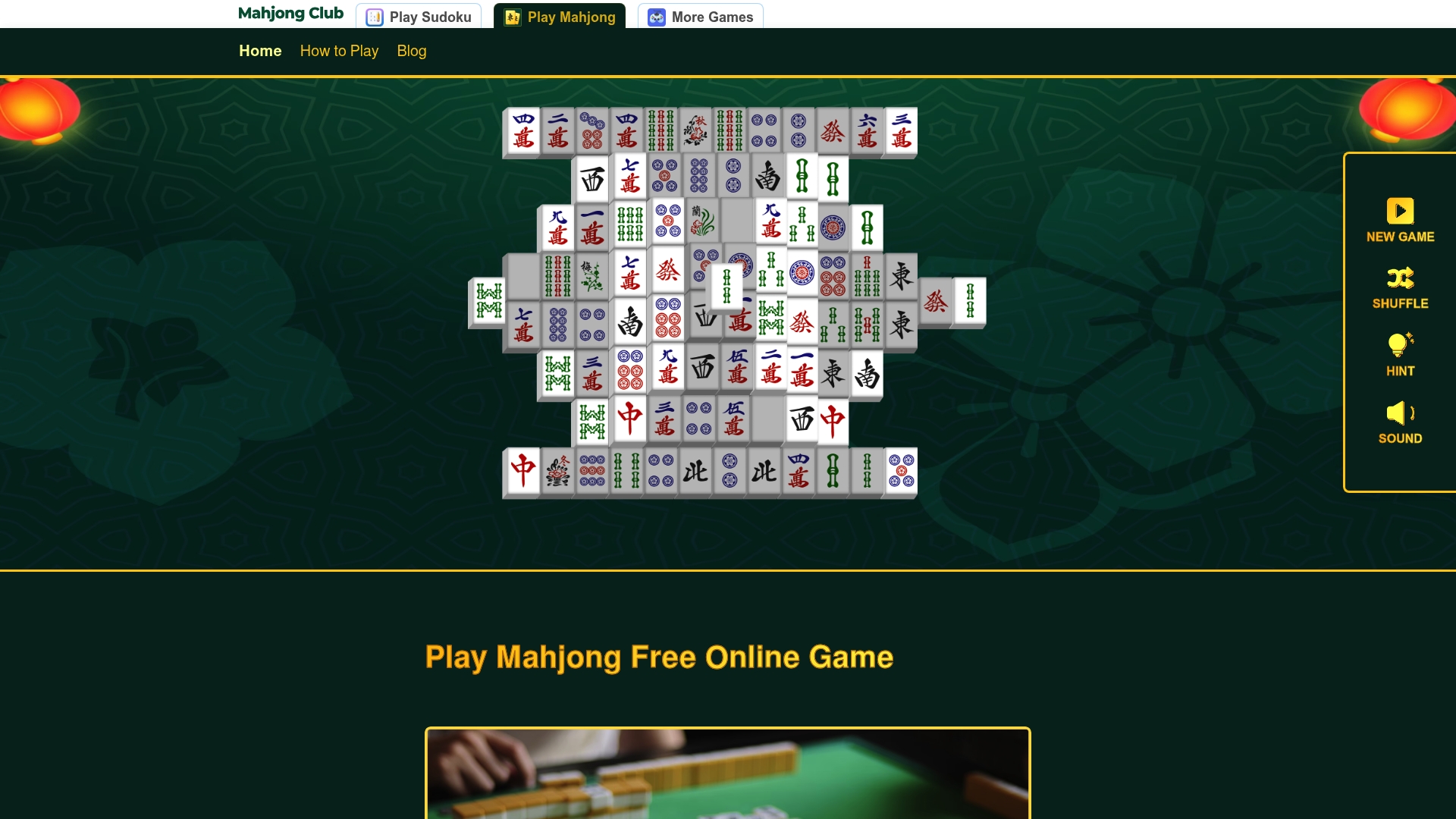
Mahjong Online Club offers a free classic tile game you can play directly in your browser with no sign-up required. The platform is built for focused, distraction-free practice, which makes it ideal for working on pattern recognition and tile efficiency. If you are newer to the game, the rules and strategy guide walks you through gameplay mechanics step by step. Whether you have five minutes or an hour, Mahjong Online Club gives you a clean, accessible space to put these winning patterns into practice.
FAQ
What is the standard structure of a winning mahjong hand?
A winning mahjong hand consists of 14 tiles: 4 sets and 1 pair. Sets can be sequences (Chow), triplets (Pung), or quads (Kong).
What is the easiest winning pattern for beginners?
All Sequences (Ping Hu) is the most beginner-friendly pattern because it only requires four Chows and one pair, making it fast and flexible to build.
What makes Seven Pairs different from other winning hands?
Seven Pairs replaces the standard 4-sets-plus-1-pair structure entirely with seven unique pairs, offering an alternative path when your tiles do not naturally form into sets.
How rare is Thirteen Orphans?
Thirteen Orphans is categorized as very hard because it requires one each of all terminal and honor tiles plus one duplicate, and it cannot be completed by calling tiles from opponents in most rulesets.
When should I switch from one pattern to another during a game?
Switch patterns after three or four draws if your primary hand is not progressing. Tracking two potential hands simultaneously and pivoting early leads to higher win rates than committing to a stalled pattern.
Recommended
Similar Articles

Mahjong Game Versions: Key Differences Explained
Explore the key differences between mahjong game versions to choose the best one for you. Master the rules and enhance your gameplay!
What Are Honor Tiles in Mahjong: Beginner's Guide
Discover what honor tiles in Mahjong are and how they enhance your game. Learn to build winning hands and play with confidence!
Riichi mahjong rules: A step-by-step beginners guide
Expert guide to Riichi mahjong rules with step-by-step instructions, scoring basics, and pro tips. Data-backed, trusted references, and practical examples.