Mahjong for Mood Improvement: Benefits and Tips
Mahjong for Mood Improvement: Benefits and Tips
Mahjong is a proven mood-enhancing activity that reduces depressive symptoms, sharpens cognitive function, and builds social connection through structured, engaging play. A 2024 review of 53 studies found that mahjong playing experience links directly to better psychological and functional abilities, including measurable relief from depressive symptoms. That finding covers both observational and intervention research, making it one of the strongest evidence bases for any recreational activity in mental wellness. Mahjong for mood improvement works because the game demands active thinking, rewards strategic success, and pulls players into regular human contact. All three of those factors are clinically recognized drivers of better emotional health.
What cognitive and psychological benefits make mahjong effective for mood improvement?
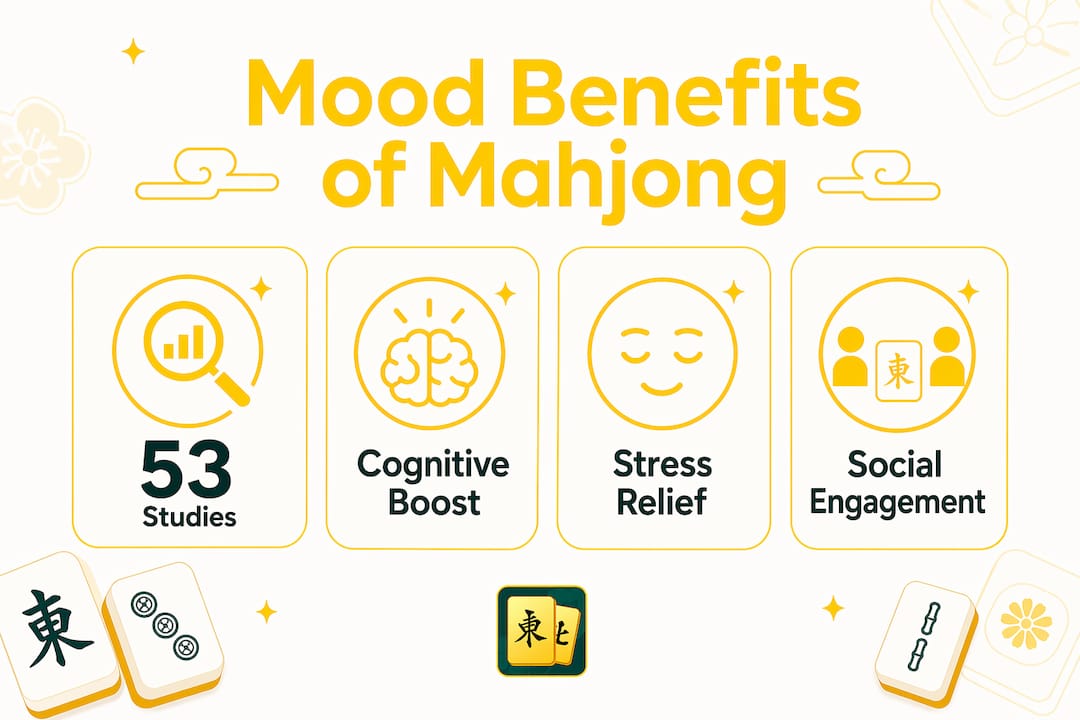
Mahjong activates several brain systems at once, and that combination is what makes it so effective for lifting mood. The game demands working memory, active inhibition, and flexible strategy pivoting, which are high-level cognitive skills rarely exercised together in a single leisure activity. Each of those skills connects directly to emotional regulation and psychological resilience.
Here is how the cognitive benefits break down:
- Memory and attention. A 2024 longitudinal study tracked 7,535 participants with an average age of 82 over 10 years. Older adults who played mahjong regularly scored higher on memory and attention assessments than non-players.
- Executive function. A 2020 randomized controlled trial showed that older adults with mild cognitive impairment improved executive function after playing mahjong three times per week for 12 weeks. Executive function governs planning, impulse control, and decision-making, all of which affect how we handle stress.
- Dopamine release. Game designer Dr. Jane McGonigal explains that mahjong activates the brain's reward system, releasing dopamine during successful turns. Dopamine is the brain's primary feel-good chemical, and its release during play creates a natural, repeatable mood boost.
- Emotional regulation. Mahjong trains players to manage anticipation, surprise, and disappointment within a single session. That practice builds the emotional tolerance that carries over into daily life.
- Cognitive reserve. Rapid strategy revision during play builds cognitive reserve, which is the brain's ability to adapt and stay healthy as it ages.
The game's structure also matters. Unlike passive activities such as watching television, mahjong keeps the prefrontal cortex engaged throughout every round. That sustained engagement is what separates it from most other leisure options.
Pro Tip: If you want the full cognitive benefit, resist the urge to play on autopilot. Actively track which tiles your opponents discard and revise your hand strategy at least once per round. That deliberate pivoting is where the real mental workout happens.
How does social interaction in mahjong contribute to mood and mental health?
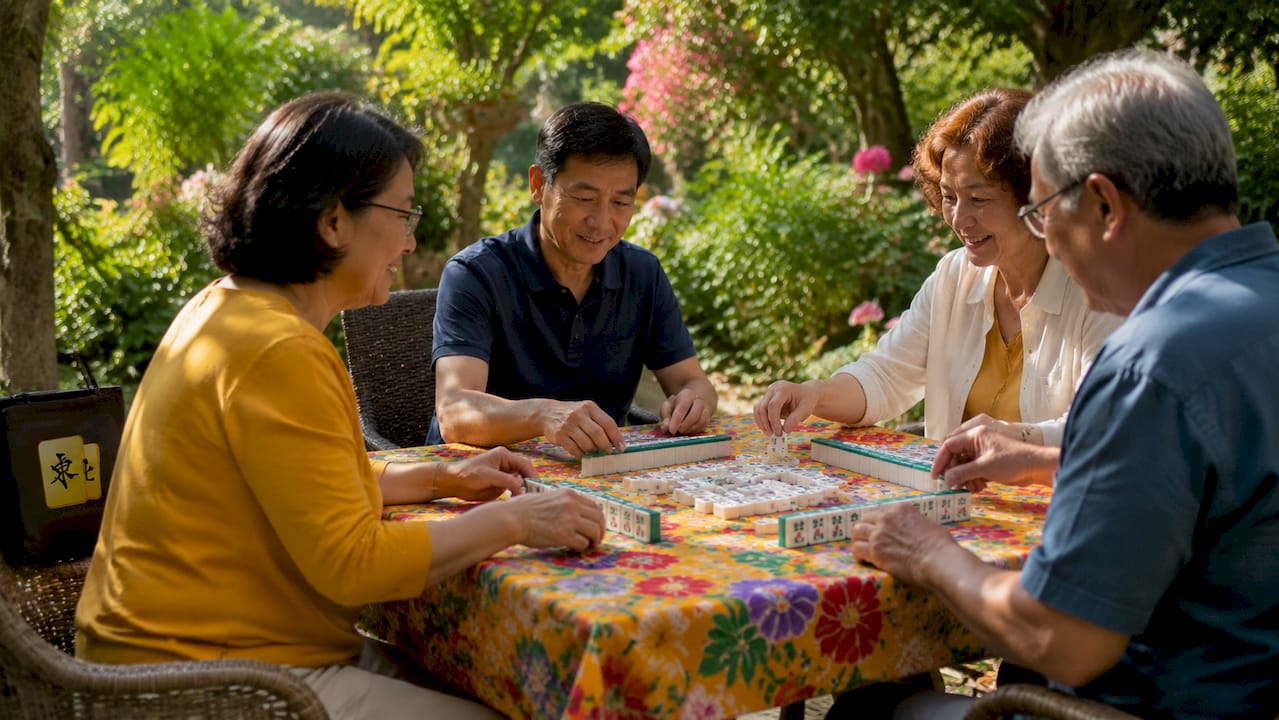
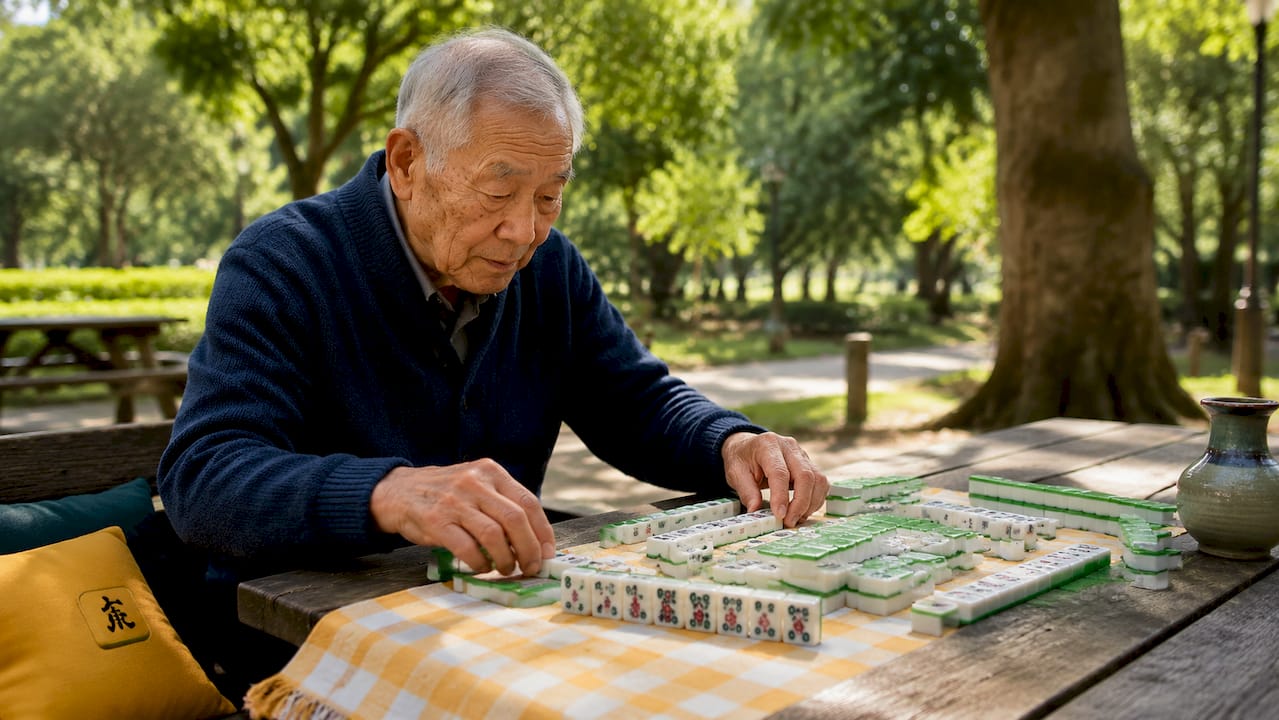
Mahjong's social structure is not a side feature. It is a core mechanism of the game's mental health benefit. Geriatrician Dr. Erika Hutz emphasizes that mahjong's social structure acts as a direct antidote to isolation by creating purpose and routine, two factors strongly linked to improved mental health in older adults.
Social isolation is a recognized risk factor for depression and anxiety. Mahjong counters it in a specific way: the game requires a minimum of players, which means showing up is not optional. That built-in accountability is something casual socializing rarely provides.
"Mahjong creates a structured reason to leave home, see friends, and engage with others on a regular schedule. That routine is what makes it medicinal." — Dr. Erika Hutz, Geriatrician
A 2024 study found that older adults who played mahjong had stronger social connections and improved self-esteem, both of which are critical markers of mental health. Self-esteem rises when players feel competent and valued within a group. Mahjong delivers both through shared strategy, friendly competition, and the satisfaction of a well-played hand.
The social benefits of regular mahjong play include:
- Reduced loneliness. Scheduled games create consistent human contact that passive screen time cannot replicate.
- Accountability. Other players expect you to show up. That expectation is a gentle but effective motivator.
- Laughter and stress relief. The game's unpredictable draws and surprising wins generate genuine humor and shared joy.
- Belonging. Regular players develop group identity and shared language, which strengthens emotional bonds over time.
Clinical psychologist Dr. Jenny Yip notes that mahjong builds connection, structure, and engagement in a way that does not feel like mental health care. That distinction matters enormously. People who resist therapy or formal wellness programs often accept mahjong because it presents itself as a game, not a treatment.
How to get started with mahjong for mood improvement
Starting mahjong does not require a large investment or prior experience. The table below outlines what you need at each stage.
| Stage | What you need | Time investment |
|---|---|---|
| Solo practice | Browser-based app or mahjong solitaire game | 15–30 minutes per session |
| Learning rules | Beginner guide or tutorial video | 1–2 hours total |
| Group play | Tile set, 3 other players, table space | 1–2 hours per session |
| Online community | Account on a mahjong platform or forum | Ongoing |
Once you have the basics, follow these steps to build mahjong into a mood-supporting habit:
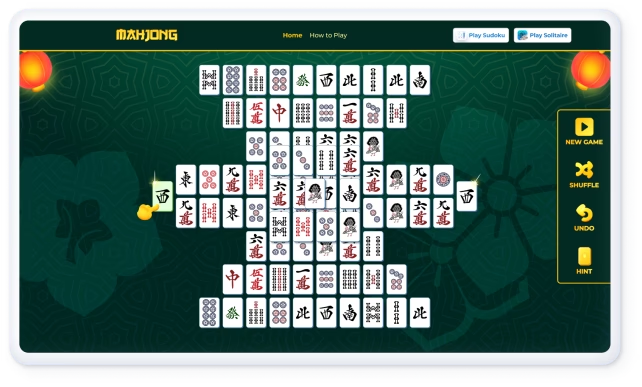
- Start with solitaire. Mahjong solitaire is a single-player tile-matching format that teaches pattern recognition without the pressure of group play. Platforms like Mahjong Online Club let you play free in your browser with no registration required.
- Learn the rules at your own pace. Read a structured guide covering mahjong rules and strategy before joining a group. Knowing the basics reduces anxiety and lets you focus on enjoying the game.
- Find a group or online community. Local community centers, senior centers, and libraries often host mahjong nights. For online options, check the best mahjong apps in 2026 for multiplayer platforms that match players by skill level.
- Set a consistent schedule. Playing three times per week, as used in the 2020 clinical trial, produced measurable cognitive gains in 12 weeks. Even two sessions per week creates enough routine to support mood benefits.
- Track your progress. Notice how you feel before and after each session. Most players report a clear lift in mood and mental clarity within the first few weeks of regular play.
Pro Tip: Habit stacking works well here. Attach your mahjong session to an existing routine, such as playing for 20 minutes after your morning coffee. That pairing makes the habit stick faster than scheduling it as a standalone event.
Common challenges when using mahjong for mood improvement and how to overcome them
The learning curve is the most common reason people quit before they experience the benefits. Mahjong has more rules than most card games, and the tile symbols can feel unfamiliar at first. The good news is that the learning curve flattens quickly with consistent, low-pressure practice.
Here are the most common obstacles and how to handle each one:
- Feeling overwhelmed by the rules. Start with mahjong solitaire rather than the full four-player game. Solitaire teaches tile recognition and pattern matching without requiring knowledge of scoring or turn order.
- Social anxiety in group settings. Join a beginner-specific group or online room where all players are learning. Experienced players in mixed groups often move too fast, which increases stress rather than reducing it.
- Inconsistent motivation. Motivation fluctuates for everyone. Build the habit around a fixed time slot rather than waiting until you feel like playing. The mood lift tends to appear during play, not before it.
- Competitive stress. Mahjong can become tense when winning feels like the only goal. Reframe each session as practice rather than competition. Focus on tile efficiency and hand-building decisions rather than the final score.
- Time management. Full four-player games can run long. If time is limited, mahjong solitaire sessions of 15–20 minutes deliver cognitive engagement without requiring a full group commitment.
The social structure of mahjong also helps with motivation. When other players are expecting you, skipping a session carries a small social cost. That accountability is one of the reasons scheduled group play produces more consistent mental health benefits than solo activities.
Pro Tip: If competitive stress is creeping in, try playing a few solo solitaire rounds before joining a group session. The solo warm-up resets your mindset from "winning" to "thinking," which carries into group play and keeps the experience enjoyable.
Key takeaways
Mahjong improves mood by combining cognitive challenge, dopamine-driven reward, and structured social engagement in a single, accessible activity.
| Point | Details |
|---|---|
| Research-backed mood benefits | A review of 53 studies links regular mahjong play to reduced depressive symptoms and better psychological function. |
| Cognitive reward loop | Mahjong triggers dopamine release during successful turns, creating a natural and repeatable mood boost. |
| Social structure fights isolation | Scheduled group play creates accountability and routine human contact, two proven antidotes to depression and anxiety. |
| Consistent play delivers results | Playing three times per week for 12 weeks produced measurable cognitive gains in a clinical trial. |
| Low barrier to entry | Mahjong solitaire requires no group, no equipment, and no registration, making it an easy first step. |
Why mahjong changed how I think about mental wellness games
I have spent years watching people search for mood-boosting activities that actually stick. Most options fall into two camps: they are either effective but feel like work, or they are enjoyable but deliver no real mental benefit. Mahjong sits in neither camp, and that is what makes it genuinely interesting to me.
What I find most compelling is the point Dr. Jenny Yip makes about mahjong not feeling like mental health care. That is not a small thing. Plenty of people resist journaling, meditation, or therapy because those activities carry a weight of self-consciousness. Mahjong sidesteps that entirely. You sit down to play a game. The cognitive and emotional benefits arrive without announcement.
The social accountability piece also deserves more credit than it typically gets. Casual socializing is easy to cancel. A mahjong game with three other people waiting on you is not. That structural commitment is something most wellness habits lack, and it is a big reason why mahjong produces more consistent results than activities that rely purely on personal discipline.
My advice to anyone starting out: do not wait until you know the rules perfectly. Play mahjong solitaire for a week to get comfortable with the tiles, then join a beginner group. The learning curve is real, but it is short. And the mood lift you feel after a well-played session is something you will want to repeat.
— Dmytro Romaniuk
Try mahjong online free and feel the difference today
Mahjong Online Club gives you instant access to free, browser-based mahjong with no sign-up and no ads. The platform is built specifically for a calm, focused experience, which means you get the mood and cognitive benefits without the friction of complicated interfaces or distracting pop-ups.
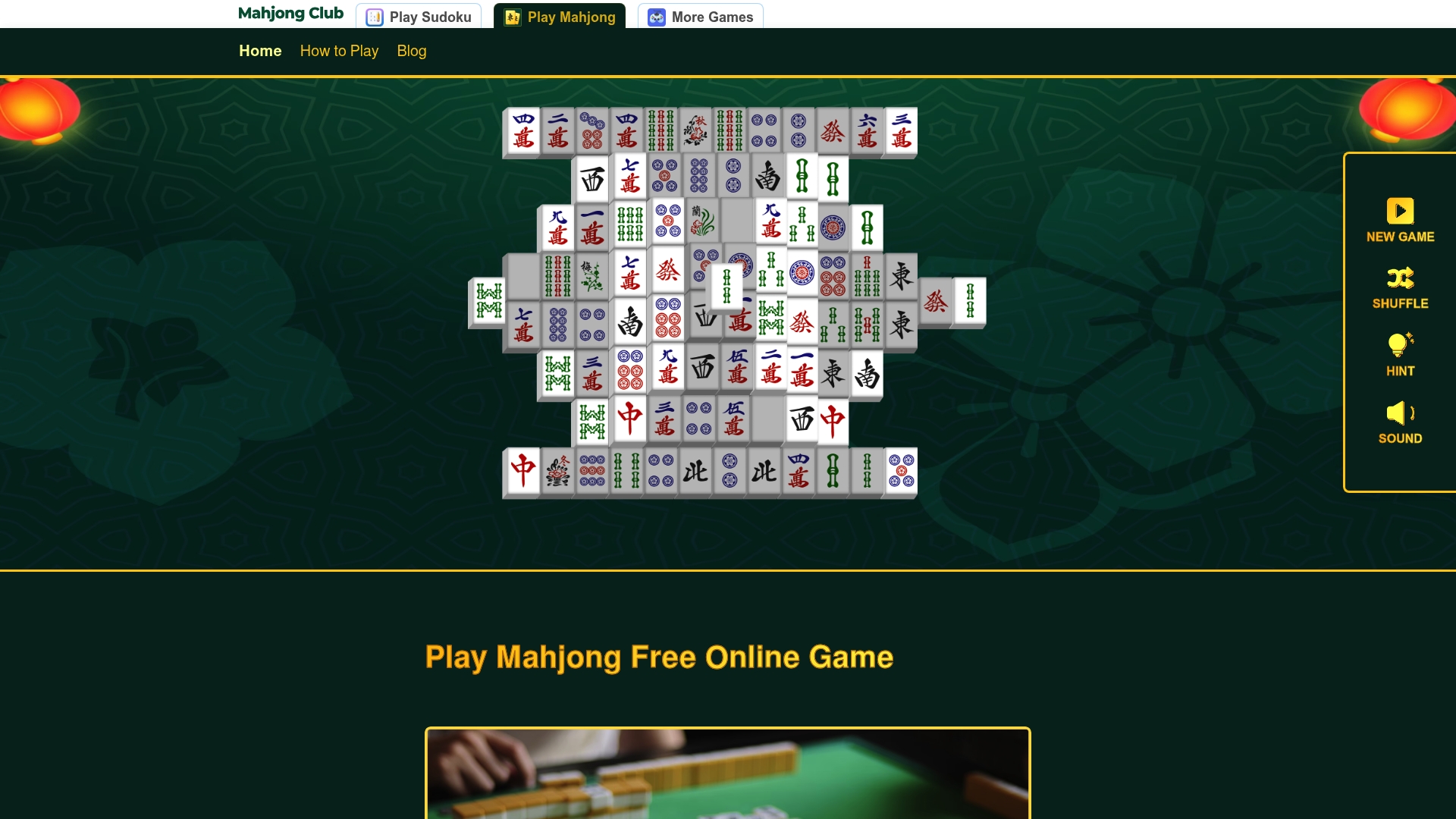
Whether you are brand new to the game or returning after a break, Mahjong Online Club is the fastest way to start building the habit. Play free mahjong now directly in your browser and experience the mental clarity that comes from even a single focused session. For players who want to go deeper, the how to play guide covers rules, tile types, and strategy in plain language, so you build real skill from the very first game.
FAQ
Does mahjong actually improve mood?
Yes. A review of 53 studies found that regular mahjong play links to measurable relief from depressive symptoms and better psychological function. The game triggers dopamine release and provides structured social engagement, both of which directly improve mood.
How often should I play mahjong to see mental health benefits?
A 2020 clinical trial used three sessions per week over 12 weeks and produced significant cognitive improvements. Even two sessions per week creates enough routine to support mood and focus benefits over time.
Can mahjong help with stress relief?
Mahjong reduces stress through focused mental engagement and social laughter during play. The game's demand for active thinking shifts attention away from daily stressors, functioning similarly to mindfulness practice.
Is mahjong good for older adults specifically?
Mahjong is particularly well-studied in older adults. A longitudinal study tracking 7,535 participants with an average age of 82 over 10 years found that regular players scored higher on memory and attention assessments than non-players.
Can I get mood benefits from playing mahjong alone?
Yes. Mahjong solitaire delivers cognitive engagement and the dopamine reward of pattern-matching without requiring a group. Social play adds additional benefits, but solo sessions still improve focus, attention, and emotional calm.
Recommended
Similar Articles

Top 6 Pongz.io Mahjong Solitaire Alternatives 2026
Discover 6 top pongz.io alternatives for enjoyable Mahjong Solitaire experiences. Choose the right one that suits your gaming preferences.

What Is No Download Gaming? A 2026 Guide
Discover what no download gaming is and how it revolutionizes play. Enjoy instant access to games without storage hassles in 2026!

Top 3 Agedstudio.com Alternatives 2026
Discover 3 agedstudio.com alternatives to decide on interactive online gaming experiences. Explore engaging options for your enjoyment.