What Is Mahjong Explained: Rules, Tiles & Variants
What Is Mahjong Explained: Rules, Tiles & Variants
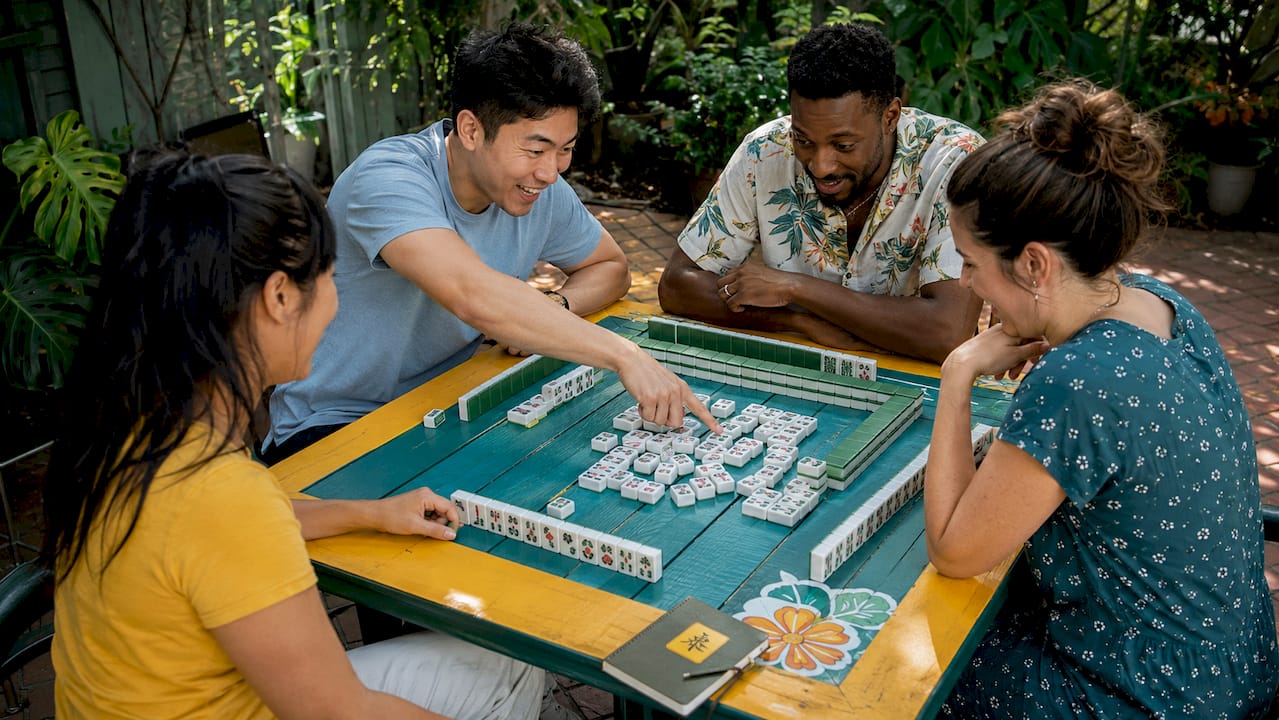
Mahjong is a four-player strategic tile game where each player draws and discards tiles to build a complete hand of four sets plus one pair. The game blends skill, strategy, and chance in roughly equal measure, which is why Mahjong rivals chess in strategic depth. This article covers mahjong rules explained from the ground up, including tile types, regional variants, American Mahjong's unique format, and the game's cultural roots. Whether you are learning for the first time or sorting out which version to study, you will find a clear, structured answer here.
How is mahjong played? core rules and gameplay basics
Mahjong starts with 144 tiles shuffled and stacked into a rectangular wall on the table. Each player draws 13 tiles to start. The goal is to complete a 14-tile winning hand by forming four sets and one pair.
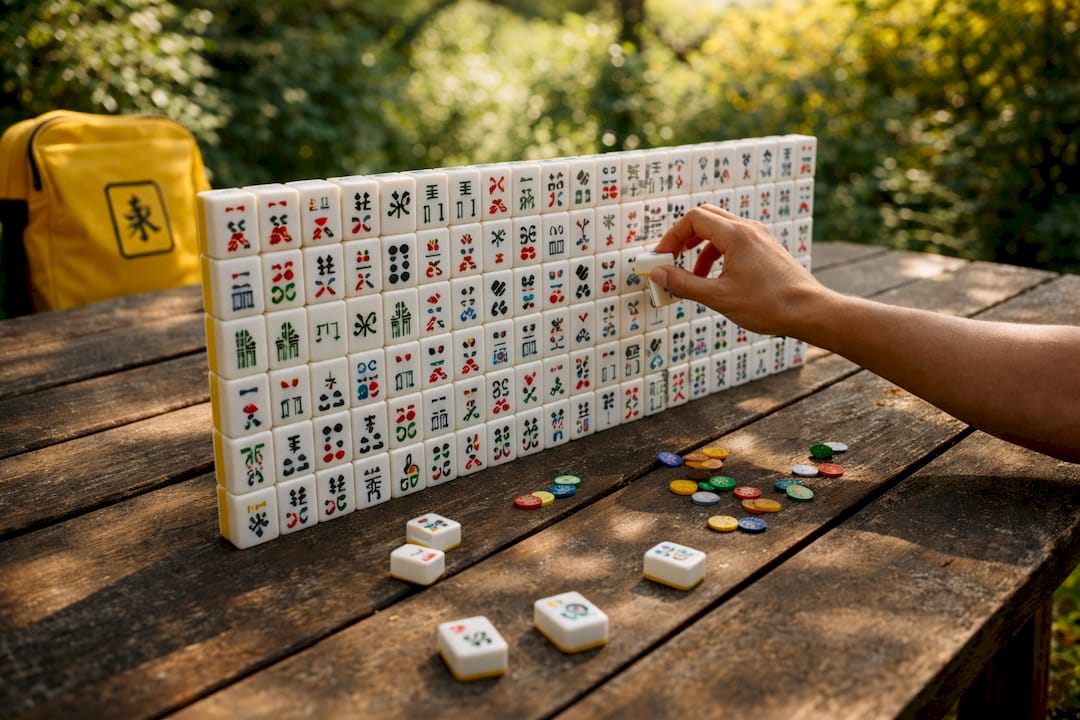
A turn follows a simple loop: draw one tile from the wall, then discard one tile face-up. That rhythm repeats around the table until someone wins or the wall runs out. You can also claim a discarded tile to complete a meld, but only under specific conditions depending on the variant you play.
The three types of sets
Sets are the building blocks of every winning hand. There are three kinds:
- Chi (sequence): Three consecutive tiles of the same suit, such as 3, 4, and 5 of bamboo.
- Pong (triplet): Three identical tiles, such as three 7-circles.
- Kong (quad): Four identical tiles. A kong requires drawing a replacement tile from the back of the wall.
Each set type has different strategic value. Sequences are easier to build because they accept more incoming tiles. Triplets score higher in most variants. Quads are rare and powerful but slow your hand down.
Winning conditions
A complete hand contains exactly 14 tiles: four sets plus one pair. You win either by drawing the final tile yourself (called a self-draw win) or by claiming the winning tile from another player's discard. Self-draw wins typically score higher because they are harder to achieve. The pair, sometimes called the "eyes" of the hand, must be two identical tiles and cannot be a set.
Pro Tip: When you are one tile away from winning, that position is called "tenpai." Recognizing tenpai early lets you shift from building to defending, which is a critical skill in competitive play.
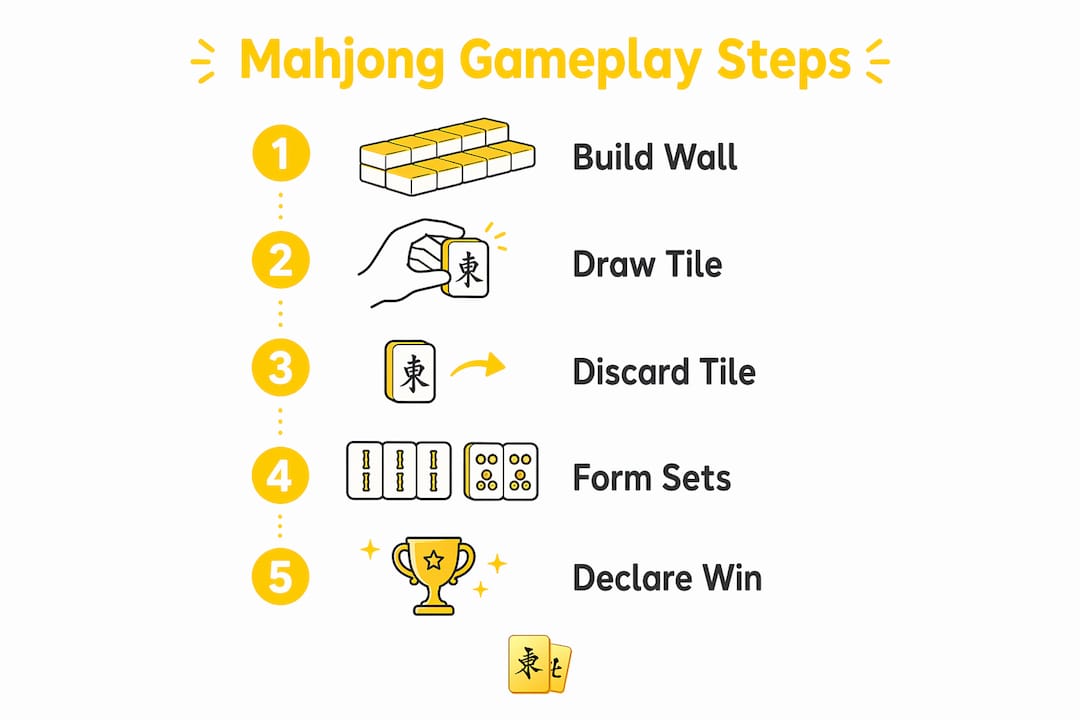
Setting up your tiles correctly before the first draw saves confusion later, especially for beginners managing racks and wind positions for the first time.
What makes american mahjong different?
American Mahjong uses 152 tiles instead of the standard 144. The extra tiles are jokers, which can substitute for any tile in a set. That single addition changes the entire strategic calculus of the game.
The most defining feature of American Mahjong is the National Mah Jongg League (NMJL) card. The NMJL card lists every legal winning hand for that year. To win, your hand must match one of those patterns exactly. The card is updated annually, so the legal hands change every year. This keeps the game fresh but also means you cannot rely on memorized patterns from a previous season.
American vs. standard mahjong: key differences
| Feature | American Mahjong | Standard (Chinese/Japanese) |
|---|---|---|
| Tile count | 152 (includes jokers) | 144 |
| Legal hands | NMJL card only | Flexible combinations |
| Hand patterns | Must match card exactly | General set-plus-pair structure |
| Tile passing | Charleston (pre-game pass) | No passing phase |
| Scoring | Base points with multipliers | Fan-based or point-based |
| Jokers | Allowed in sets | Not used |
Scoring in American Mahjong uses the NMJL card's base point values, then applies multipliers for conditions like self-pick, jokerless hands, and fully concealed hands. A 25-point hand can reach 200 points under the right conditions. That multiplier system rewards disciplined, strategic play over lucky draws.
The Charleston is another feature unique to American Mahjong. Before the first draw, players pass tiles to neighbors in a structured sequence. This lets you shed unwanted tiles and signal hand direction early. It is a social and strategic ritual that has no equivalent in Chinese or Japanese variants.
Reading the NMJL card is a skill in itself. Each hand listing includes flags that tell you whether melds must stay concealed or can be exposed by claiming discards. Exposing a meld locks you into that hand pattern and limits your flexibility, so timing your claims is a core part of American Mahjong strategy.
Pro Tip: When you first pick up the NMJL card, focus on the exposure flags before memorizing hand patterns. Knowing which hands allow claims from discards shapes every discard decision you make.
How do mahjong variants differ?
Mahjong has multiple regional variants with distinct rules, tile counts, and scoring systems. The draw-and-discard core is shared, but almost everything else changes depending on where you play.
Here is a quick breakdown of the major variants:
- Hong Kong Mahjong: Uses 144 tiles, fan-based scoring, and allows flexible hand structures. Claiming discards is common and fast-paced.
- Japanese Mahjong (Riichi): Uses 136 tiles, strict hand requirements, and a unique "riichi" declaration that locks your hand in exchange for bonus scoring. Defensive play is heavily emphasized.
- Chinese Official Mahjong: A standardized competition format with 144 tiles and a point-based scoring system used in international tournaments.
- American Mahjong: 152 tiles, NMJL card, jokers, and the Charleston. The most structured and pattern-specific of all variants.
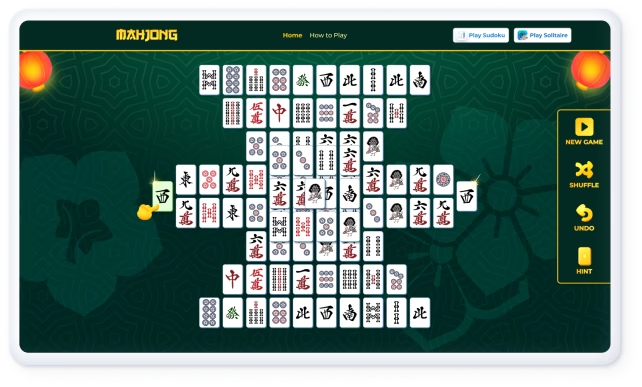
The most common misconception beginners encounter is confusing real Mahjong with Mahjong Solitaire. Mahjong Solitaire is a single-player tile-matching puzzle played on a computer or phone. It shares the tile imagery but has no multiplayer strategy, no sets, and no competitive interaction. The two games are related in name only.
Knowing which variant you are learning matters before you invest time in rules. American Mahjong players who try to apply NMJL logic to Hong Kong rules will find the two systems nearly incompatible. Choose one variant, learn it fully, then explore others. A useful comparison of Chinese vs. American rules shows exactly where the systems diverge.
What is the history and cultural significance of mahjong?
Mahjong originated in mid-to-late 19th century China during the Qing dynasty and spread internationally with the Chinese diaspora in the early 20th century. Its roots connect to earlier Chinese card and domino games, though the exact origin story remains debated among historians.
"Mahjong is more than a game. It is a social ritual, a family tradition, and a cultural touchstone for millions of people across Asia and beyond."
The game carries deep social meaning in Chinese communities. Playing Mahjong around a table is a bonding activity tied to family gatherings, holidays, and neighborhood life. That social function explains why the game survived and spread even as entertainment options multiplied. It is not just about winning. It is about the shared experience of the table.
By the 1920s, Mahjong had reached the United States and Europe. American players adapted the rules significantly, eventually producing the NMJL-governed format still played today. Online platforms have extended that reach further, letting players practice and compete without a physical table or a full group of four.
Pro Tip: If you want to understand Mahjong's cultural weight, read about its Qing dynasty origins before you study the rules. The history makes the game's social rituals feel intentional rather than arbitrary.
Key takeaways
Mahjong is a strategic four-player tile game built on drawing, discarding, and forming sets, with American Mahjong adding jokers, the NMJL card, and the Charleston to create a distinct and structured variant.
| Point | Details |
|---|---|
| Core winning structure | A complete hand requires four sets plus one pair, totaling 14 tiles. |
| American Mahjong distinction | The NMJL card defines all legal hands annually; matching it exactly is required to win. |
| Jokers change strategy | American Mahjong's 152-tile set includes jokers that substitute for any tile in a set. |
| Variants are not interchangeable | Chinese, Japanese, Hong Kong, and American rules differ enough that learning one does not transfer directly to another. |
| Mahjong Solitaire is a separate game | The tile-matching puzzle shares imagery with Mahjong but has no multiplayer strategy or set-building mechanics. |
Why i think most beginners learn mahjong backwards
Most people who want to learn Mahjong start by searching for a universal rule set. That approach fails almost immediately, because Mahjong is not one game. It is a family of games with a shared skeleton and very different flesh. I have watched beginners spend weeks memorizing Chinese Mahjong hand values before realizing their local club plays American rules exclusively. That time is not wasted, but it is inefficient.
My honest advice: pick your variant first, then go deep. If you are in the United States and want to play with a group, American Mahjong with the NMJL card is almost certainly what you need. The NMJL card looks intimidating at first, but it is actually a gift. It tells you exactly what hands are legal. You do not have to guess or negotiate. You just read the card and build toward a listed pattern.
The second mistake I see constantly is treating the exposure decision as automatic. When another player discards a tile you need, the instinct is to claim it immediately. Resist that instinct. Claiming a discard exposes your meld, locks your hand pattern, and signals your direction to every other player at the table. Sometimes the right move is to let the tile go and preserve your flexibility. That kind of disciplined restraint is what separates a developing player from a reactive one.
The beginner strategy guide at Mahjong Online Club covers this timing concept in detail. I recommend it as a second read after you understand the basic hand structure.
Finally, do not skip the cultural context. Mahjong played well feels like a conversation. You read your opponents' discards, adjust your hand, and respond to what the table is telling you. That dynamic is what makes the game worth learning. The tiles are just the vocabulary.
— Dmytro Romaniuk
Start playing mahjong online for free today
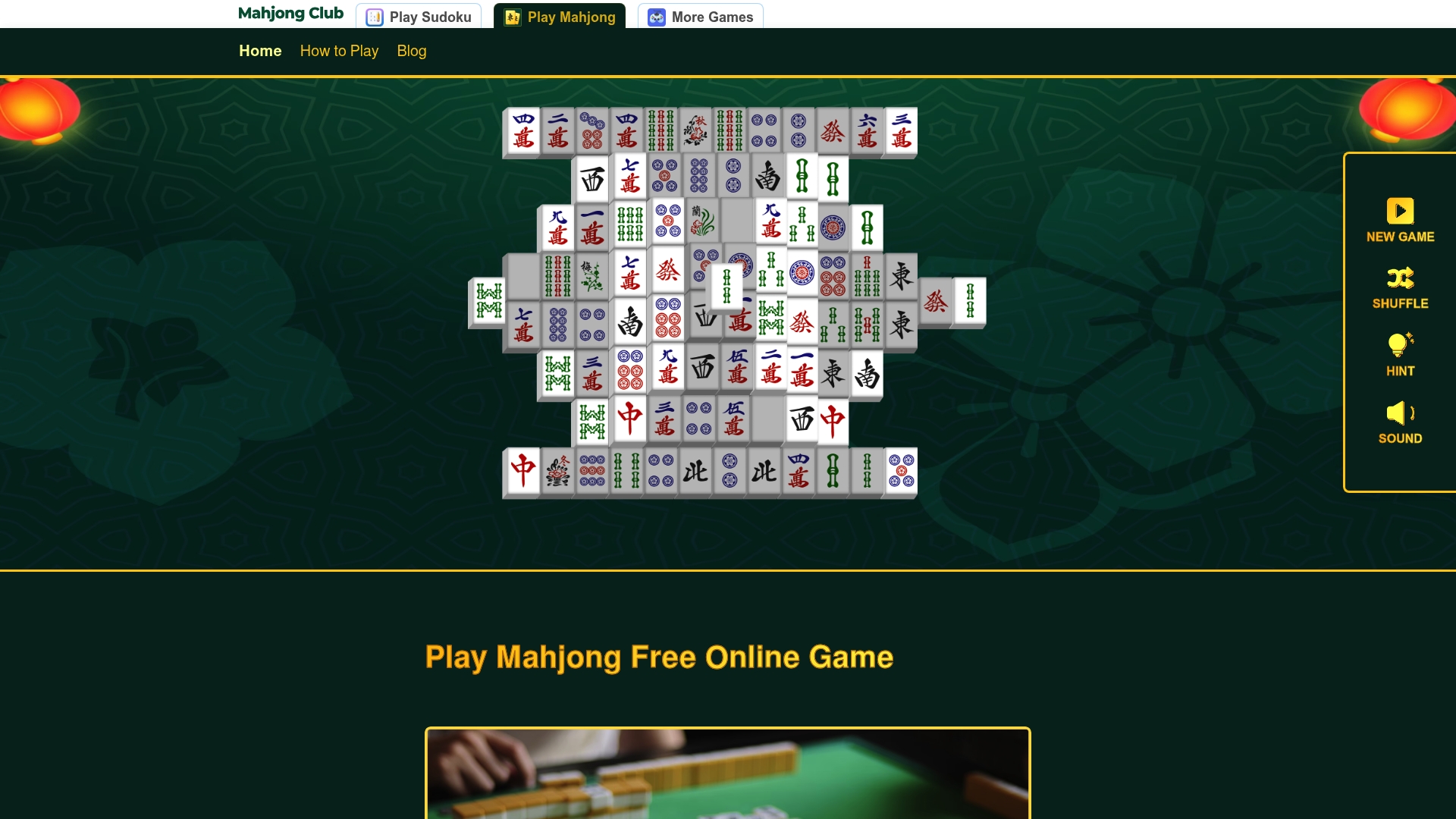
You do not need a physical tile set, three friends, or a club membership to start building real Mahjong skills. Mahjong Online Club lets you play classic Mahjong directly in your browser, free and without registration. The platform is designed for focused, distraction-free play, with no ads interrupting your session. Mahjong Online Club also publishes detailed guides covering tile types, hand structures, and variant rules, so you can study and play in the same place. If you are new to the tile-matching side of the game, the how to play guide walks you through Mahjong Solitaire rules and strategy step by step. Start with a short session and build from there.
FAQ
What is mahjong and how do you win?
Mahjong is a four-player tile game where players draw and discard tiles to build a complete hand of four sets plus one pair, totaling 14 tiles. You win by completing that hand either through a self-draw or by claiming the final tile from another player's discard.
How many tiles does mahjong use?
Standard Mahjong uses 144 tiles. American Mahjong uses 152 tiles, with the extra eight being jokers that can substitute for any tile in a set.
What is the NMJL card in american mahjong?
The NMJL card is an annual reference card published by the National Mah Jongg League that lists every legal winning hand for that year. Players must match their hand exactly to one of the listed patterns to declare a win.
Is mahjong solitaire the same as real mahjong?
No. Mahjong Solitaire is a single-player tile-matching puzzle with no sets, no multiplayer strategy, and no competitive interaction. Real Mahjong is a four-player strategic game with complex rules and dynamic player interaction.
Which mahjong variant should a beginner learn first?
Choose the variant most common in your local community or the one you plan to play most often. In the United States, American Mahjong with NMJL rules is the standard. Start with one variant completely before exploring others, since the rule sets differ enough to cause confusion if mixed early.
Recommended
Similar Articles
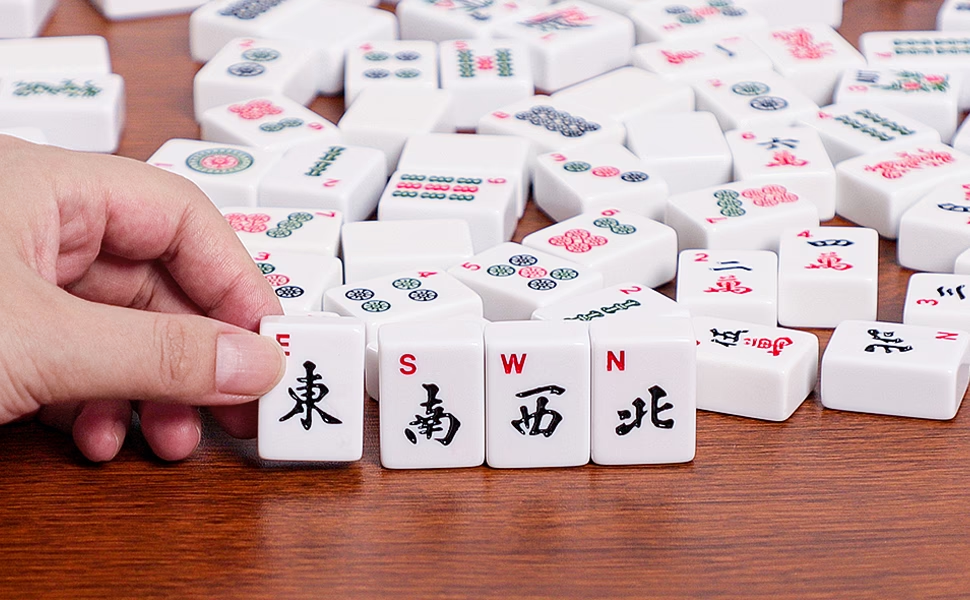
Best mahjong apps 2026: multiplayer, training, scoring
Best mahjong apps 2026: expert guide to multiplayer, training, and scoring tools. Data-backed picks and safety tips you can trust for every ruleset.
How to Clean Mahjong Tiles: Step-by-Step Care Guide
Expert guide on how to clean mahjong tiles by material—Bakelite, bone/bamboo, and plastic—with safe steps, pro tips, and data-backed care advice.
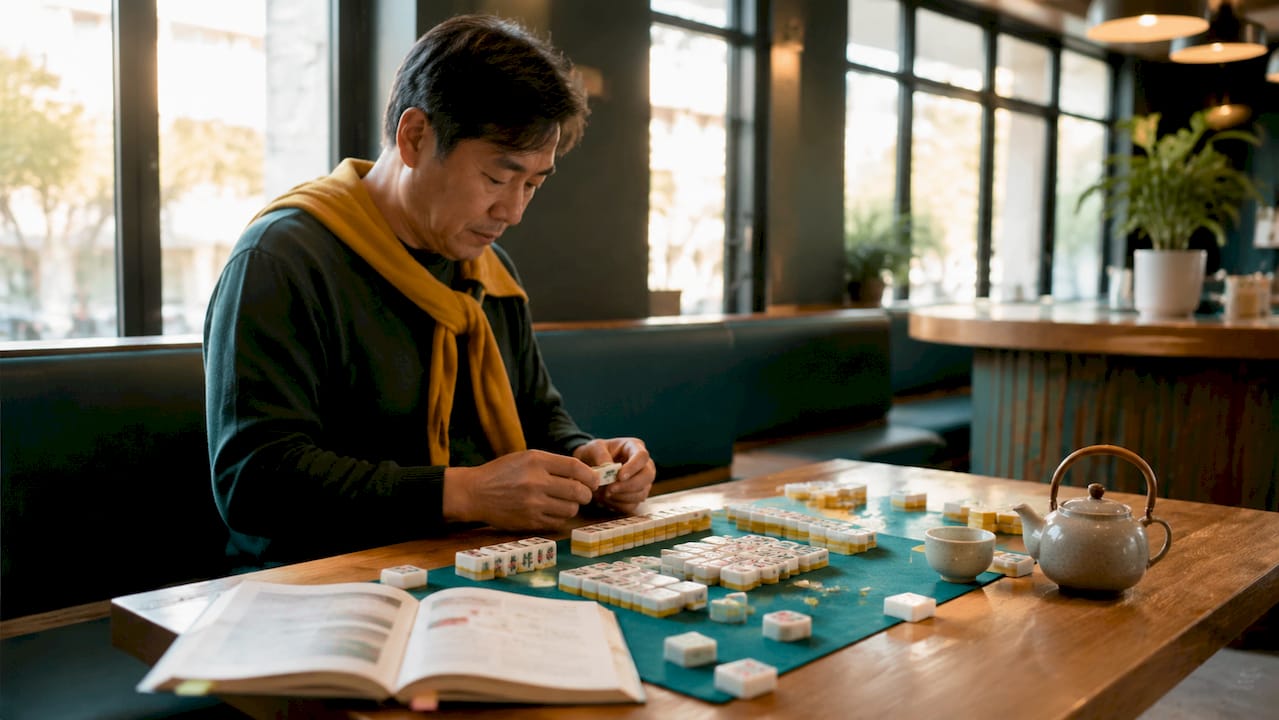
Why Tile Isolation Ruins Mahjong Games for All Players
Discover why tile isolation ruins mahjong games and learn strategies to improve your gameplay. Transform your hand efficiency today!