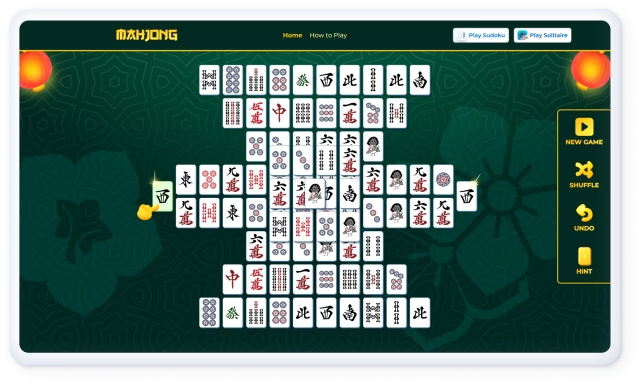
Valid Mahjong Tile Pairs: Examples for Every Player
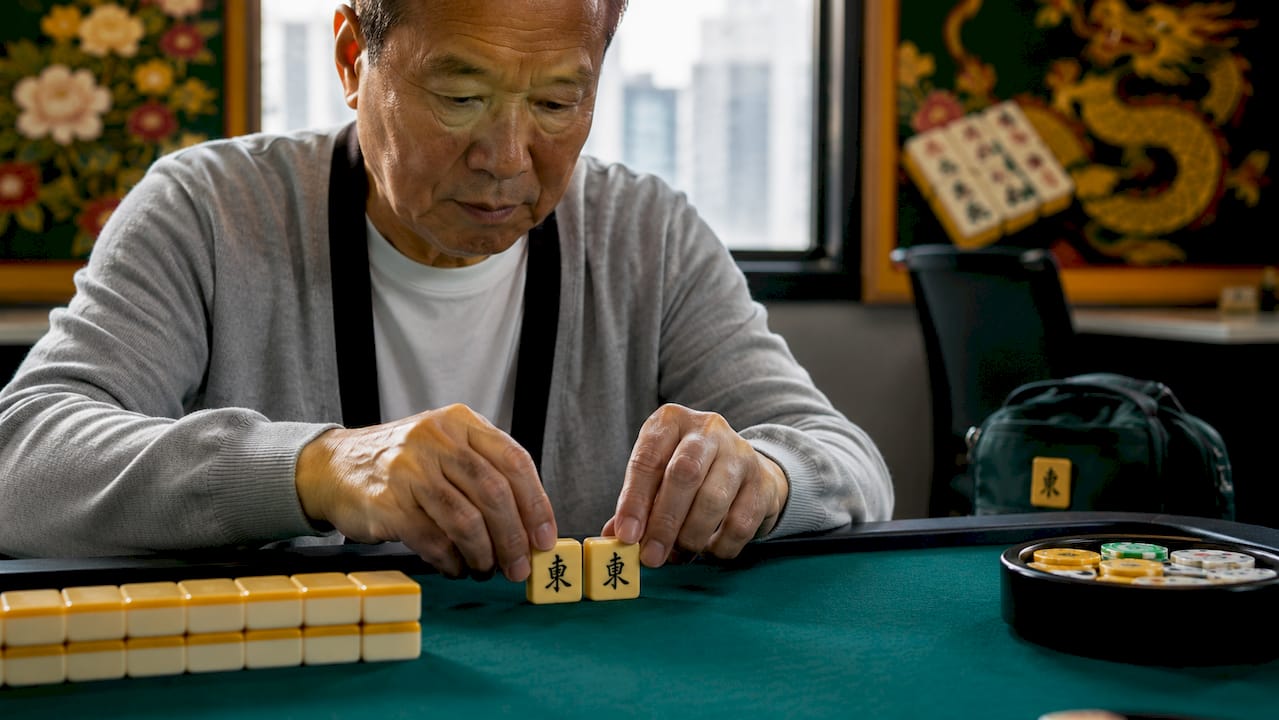
Valid Mahjong Tile Pairs: Examples for Every Player
A valid Mahjong tile pair, known formally as the "eyes" of a hand, is defined as exactly two identical tiles of the same suit and rank. Every standard winning hand in Chinese, Hong Kong, American, and Japanese Riichi Mahjong requires one pair of identical tiles to complete its 14-tile structure. That pair sits alongside four sets (chows, pungs, or kongs) and acts as the anchor of your hand. Understanding examples of valid mahjong tile pairs is the fastest way to stop losing hands you should have won. This article walks you through classic pair types, special hand exceptions, variant-specific rules, and the strategy behind choosing the right pair at the right time.
1. Classic examples of valid mahjong tile pairs
A valid pair is any two tiles that share the exact same suit and number, or the exact same honor tile type. No substitutions, no near-matches. Two tiles must be visually and functionally identical.

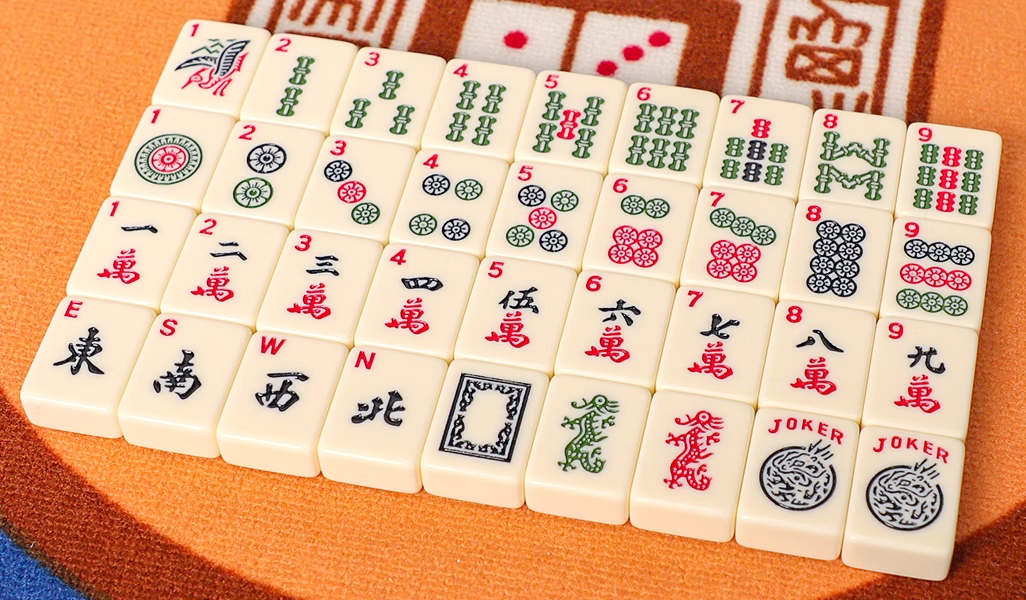
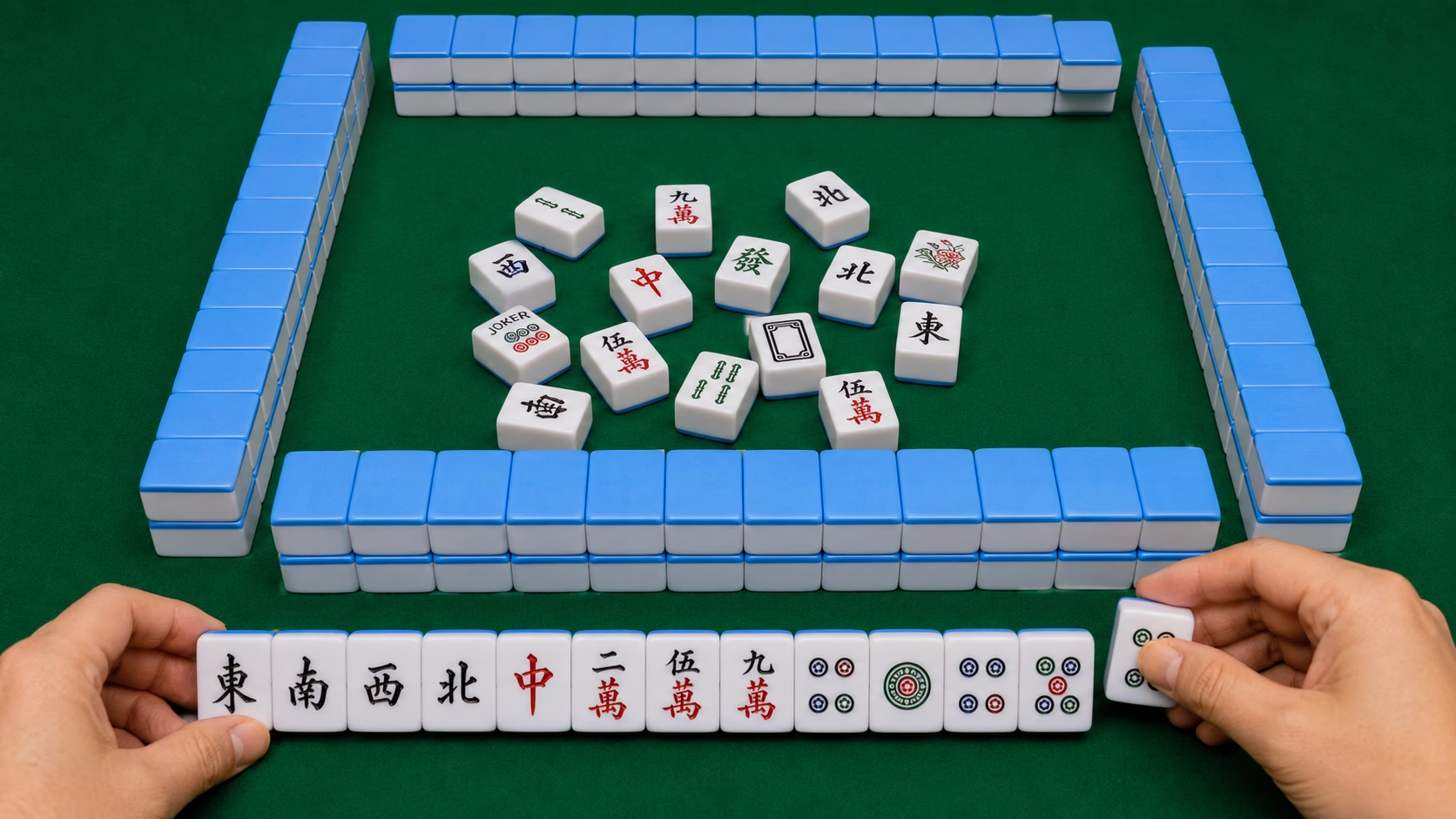
The three numbered suits in standard Mahjong are Dots (Circles), Bamboo (Bams), and Characters (Cracks). Any two tiles from the same position in any of these suits form a legal pair. Honor tiles, which include the four Wind tiles (East, South, West, North) and three Dragon tiles (Red, Green, White), also produce valid pairs when matched identically.
Here are concrete mahjong pair examples across all tile categories:
- Two 1 Dots (two identical Circle tiles showing one dot)
- Two 5 Bamboos (two matching green bamboo tiles marked 5)
- Two 9 Characters (two identical Chinese character tiles for the number 9)
- Two East Wind tiles (both showing the East Wind symbol)
- Two Red Dragon tiles (both Chun tiles, marked with the red character)
- Two Green Dragon tiles (both Hatsu tiles, marked with the green symbol)
- Two White Dragon tiles (both Haku tiles, blank or marked with a border)
- Two 3 Bamboos (two identical bam tiles showing three bamboo stalks)
- Two 7 Dots (two circle tiles each showing seven dots)
Pro Tip: When learning to recognize valid pairs in mahjong, group your tiles by suit first. Identical tiles will stand out immediately once your rack is organized by category.
The rule is consistent across all these examples: the two tiles must be indistinguishable from each other. A 5 Bamboo and a 5 Dot are not a pair. A Red Dragon and a Green Dragon are not a pair. Only exact matches count. This clarity makes tile pair identification one of the first skills worth drilling as a beginner.
2. Seven Pairs: the special hand built entirely on pairs
Seven Pairs is a recognized special hand pattern where your entire 14-tile hand consists of seven distinct matching pairs, with no sets required. This replaces the standard four-sets-plus-one-pair structure entirely. Seven Pairs is valued at 2 fan in many rulesets and must always be a closed hand, meaning you cannot call any discards to complete it.
The key restriction that trips up most players: you cannot split four identical tiles into two separate pairs. All seven pairs must use distinct tile types.
Here is how valid and invalid Seven Pairs combinations compare:
- Valid: Two 2 Dots + Two 6 Bamboos + Two 9 Characters + Two East Winds + Two Red Dragons + Two 4 Dots + Two 8 Bamboos (seven distinct tile types, each paired once)
- Valid: Two 1 Characters + Two 3 Dots + Two 5 Bamboos + Two West Winds + Two Green Dragons + Two 7 Characters + Two 9 Dots
- Invalid: Four 3 Bamboos counted as two pairs of 3 Bamboos. Four identical tiles split into two pairs is not permitted in formal Japanese Riichi or Hong Kong rulesets.
- Invalid: Any pair formed by calling a discard. Seven Pairs requires a fully closed hand in all standard variants.
- Invalid: Using a joker (in American Mahjong) to substitute for one tile in a pair. Jokers are barred from pair formation.
Pro Tip: If you are building toward Seven Pairs, keep your tile count private. Opponents who notice you are not calling discards may start withholding tiles you need, so concealing rare hands is critical to finishing the hand.
Seven Pairs rewards patience and a closed-hand discipline. It is a high-risk, moderate-reward pattern that works best when your draw sequence delivers matching tiles early and consistently.
3. Pair rules and restrictions in American Mahjong
American Mahjong follows a distinct set of pair rules that differ meaningfully from Chinese or Japanese variants. The National Mah Jongg League (NMJL) card governs most American play, and its pair rules are strict.
Jokers cannot substitute for any tile in a pair. This is one of the most common beginner errors. In American Mahjong, jokers are powerful tools for pungs and kongs, but they are completely barred from pair formation. Your pair must consist of two naturally drawn identical tiles.
The second major restriction: pairs cannot be formed by calling discards during play. You must hold both tiles on your rack. The only exception is the final winning tile. If your pair is one tile short, you may claim the winning discard to complete it and declare Mahjong.
Key rules for American Mahjong pairs at a glance:
- Pairs require two identical tiles held on the rack, not called from discards.
- Jokers are prohibited from substituting in any pair combination.
- The NMJL card includes a "Singles and Pairs" section, which is widely considered the most difficult category because every tile must be held individually without joker support.
- Calling a discard to form a pair mid-hand is not permitted; only the final winning tile may be claimed.
- Wind and Dragon pairs are valid in American Mahjong when the hand pattern on the NMJL card specifies them.
The "Singles and Pairs" category on the NMJL card is worth studying carefully. It demands the highest level of tile efficiency because you cannot rely on jokers to fill gaps. Players who master this category develop sharper discard reading and better rack management overall.
4. Strategic tips for choosing and using valid pairs
Choosing the right pair at the right time separates disciplined players from reactive ones. The core principle: build your four sets first, then finalize the pair. Committing to a pair too early locks you into a tile type you may need to discard later.
Pairs are the last piece of the puzzle, not the first. Treat your pair as a flexible slot until your four sets are complete. The moment you "marry" a pair too early, you reduce your hand's ability to adapt to what you draw and what opponents discard.
Here are practical guidelines for managing common mahjong tile pairs strategically:
- Delay pair commitment. Keep two potential pair tiles in your rack without mentally locking them in. If a better set opportunity appears, one of those tiles becomes a set component instead.
- Avoid rare pairs early. Holding two East Wind tiles as your pair sounds appealing, but if East Wind is your seat wind, opponents will avoid discarding it. You may wait many draws without completing your hand.
- Watch scoring implications. In Hong Kong Mahjong, a Wind or Dragon pair disqualifies the Common Hand bonus, which requires a numbered-suit pair. If you are targeting Common Hand, swap your honor pair for a numbered-suit pair before declaring.
- Keep pairs concealed. Do not discard tiles that reveal your pair type to opponents. If you hold two 7 Dots as your pair, discarding a third 7 Dot signals your hand structure clearly.
- Use two-sided waits for pairs. When you are one tile away from completing your pair, a tile that also fits a potential set gives you more draw outs and better tile efficiency.
Efficient hand management consistently produces faster wins than chasing complex pair patterns from the start. Beginners who focus on standard sets before finalizing their pair win more hands at a steadier rate. The pair is your finishing move, not your opening plan.
Key takeaways
Valid Mahjong tile pairs are always two identical tiles serving as the "eyes" of a winning hand, and choosing the right pair at the right moment is a skill that directly affects your win rate.
| Point | Details |
|---|---|
| Definition of a valid pair | Two identical tiles of the same suit and rank form the only legal pair in any Mahjong variant. |
| Seven Pairs restriction | All seven pairs must use distinct tile types; four identical tiles cannot be split into two pairs. |
| American Mahjong rules | Jokers are barred from pairs, and pairs cannot be formed by calling discards during play. |
| Strategic pair timing | Build four sets first, then finalize the pair to keep your hand flexible and adaptable. |
| Scoring awareness | Honor tile pairs can disqualify certain scoring bonuses, so match your pair choice to your target pattern. |
Why pairs are where most players quietly lose
by Dmytro Romaniuk
After watching hundreds of hands played at every skill level, the pattern I see most often is this: players decide on their pair in the first three draws and then build the rest of the hand around it. That is backward. The pair is the easiest component to change late in a hand. Sets are not.
Beginners tend to treat a pair they drew early as a sign. Two Red Dragons in your opening tiles feels like destiny. But if Red Dragon is a hot tile that round and no one is discarding it, you will sit waiting while opponents complete their hands around you. The pair should be the last decision, not the first commitment.
The second mistake I see constantly is ignoring variant rules. A player trained on Hong Kong Mahjong who switches to American Mahjong will instinctively try to call a discard to complete a pair. That move is illegal in American play. Understanding how pair rules differ by variant is not optional knowledge. It is the difference between a legal win and a penalty.
My practical advice: practice naming valid pairs out loud as you sort your tiles. Two 4 Bamboos. Two West Winds. Two 8 Characters. Speed and accuracy in pair recognition builds the pattern recognition that makes the rest of your hand-reading faster. The players who win consistently are not smarter. They are faster at seeing what they have.
— Dmytro Romaniuk
Practice forming pairs with free online Mahjong
Knowing the rules is one thing. Recognizing valid tile pairs under real game conditions is another skill entirely. The fastest way to close that gap is repetition with actual tiles.
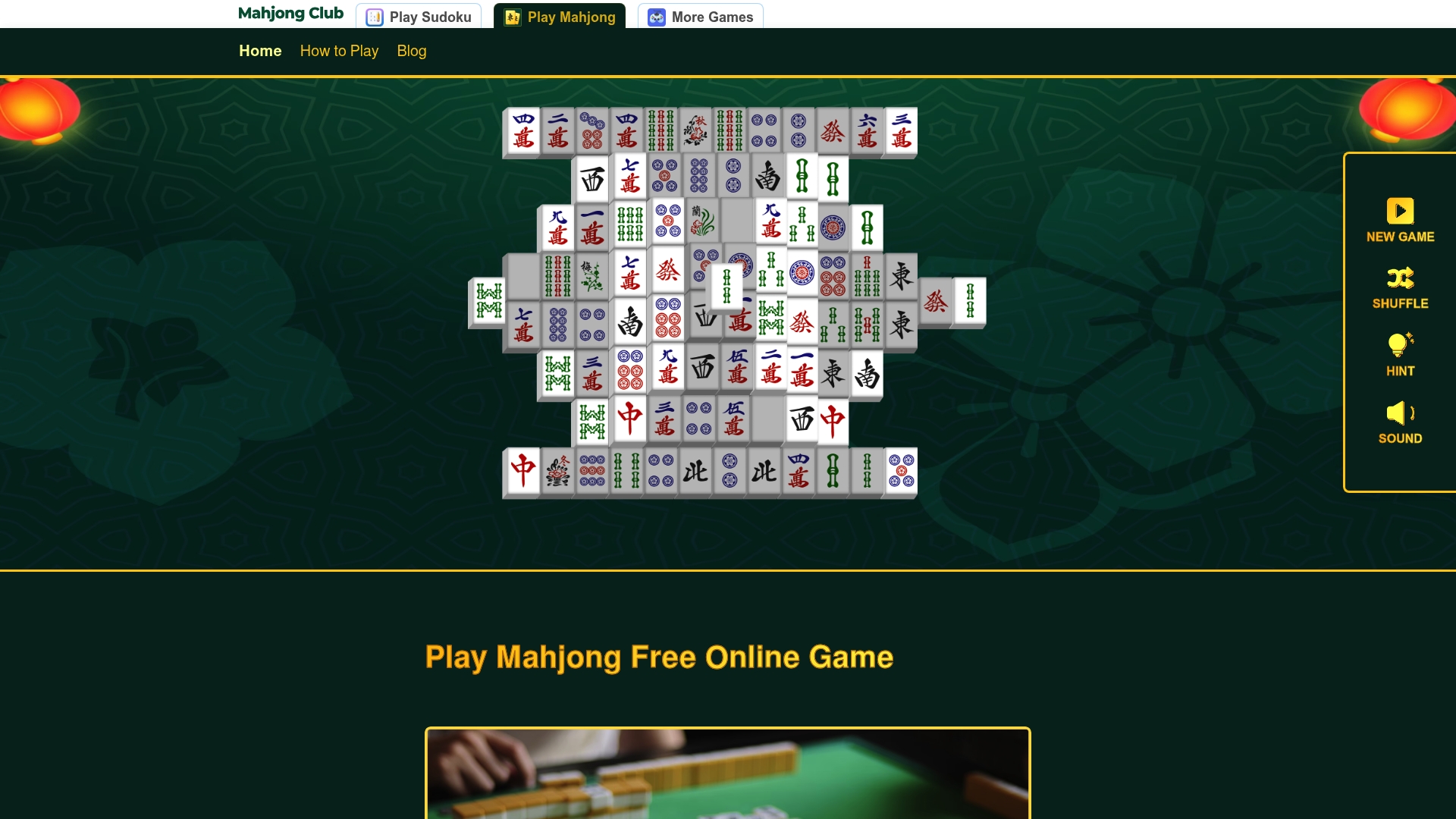
Mahjong Online Club offers free, browser-based Mahjong with no registration required. You can play Mahjong instantly and practice identifying matching pairs across all tile suits in a focused, distraction-free environment. The platform is designed for players who want to build genuine skill, not just pass time. If you are newer to the game, the rules and tile guide walks you through every tile type so you can connect what you read here to what you see on screen.
FAQ
What makes a Mahjong tile pair valid?
A valid Mahjong pair is exactly two tiles that are identical in suit and rank. No near-matches or substitutions qualify.
Can jokers be used to form pairs in Mahjong?
In American Mahjong, jokers cannot substitute for any tile in a pair. Both tiles must be naturally drawn identical tiles held on your rack.
What is the Seven Pairs hand in Mahjong?
Seven Pairs is a special hand made entirely of seven distinct matching pairs, totaling 14 tiles, with no sets required. Seven Pairs is valued at 2 fan in many rulesets and must be a closed hand.
Can you call a discard to complete your pair in American Mahjong?
You cannot call a discard to form a pair during play in American Mahjong. The only exception is claiming the final winning tile to complete the pair and declare Mahjong.
Does the type of pair affect scoring in Hong Kong Mahjong?
Yes. Using a Wind or Dragon pair disqualifies the Common Hand bonus, which requires a numbered-suit pair. Choosing your pair type directly affects which scoring patterns you can claim.
Recommended
Similar Articles

Why Tile Isolation Ruins Mahjong Games for All Players
Discover why tile isolation ruins mahjong games and learn strategies to improve your gameplay. Transform your hand efficiency today!
Riichi Mahjong Yaku List: Examples, Points, and Tips
Expert guide to Riichi Mahjong yaku list with clear examples, points, and scoring. Data-backed tips and pro insights to improve results fast.
American Mahjong vs Chinese Mahjong: Rules, Scoring & Sets
American Mahjong vs Chinese Mahjong: Expert guide to rules, scoring, and set differences. Data-backed insights and practical tips to choose your style.