How to Identify Blocked Tile Patterns in Mahjong
How to Identify Blocked Tile Patterns in Mahjong
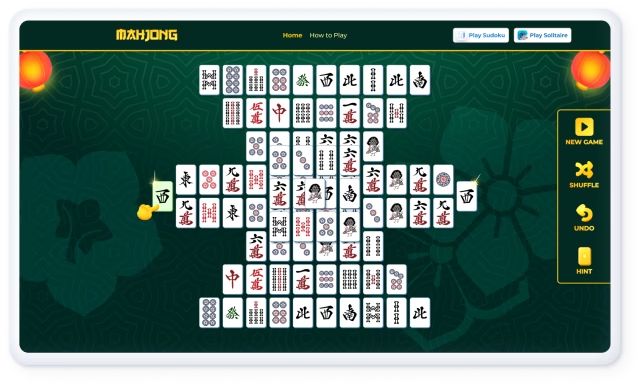
A tile is free in Mahjong only when no tile rests on top of it and at least one side (left or right) is open simultaneously. That single rule is the foundation for every decision you make on the board. Learning to identify blocked tile patterns in Mahjong is the fastest way to stop losing games to positions that felt fine until they suddenly weren't. Mahjong Online Club's guides treat this skill as the dividing line between casual play and confident, consistent wins. A standard set uses 144 tiles arranged in layers, and every one of them must be cleared by matching free tiles only.
How to identify blocked tile patterns in Mahjong
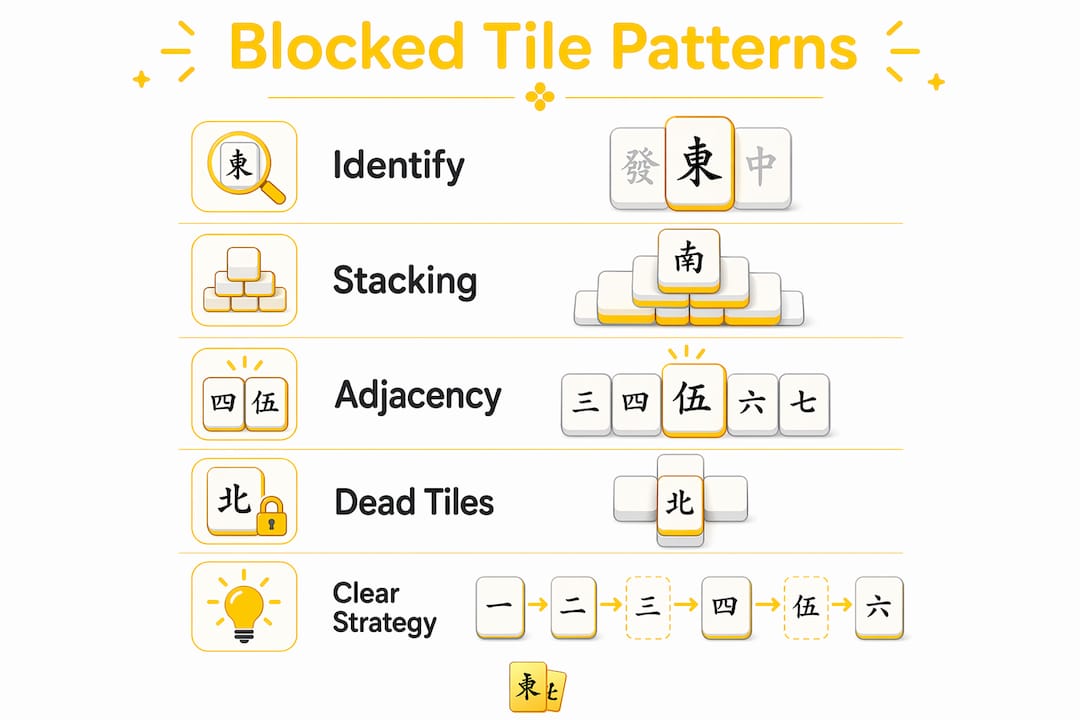
A blocked tile fails at least one of two conditions: something sits on top of it, or both its left and right sides are occupied by other tiles. Both conditions must be satisfied at the same time for a tile to be free. Miss either one, and the tile stays locked.
Stacking is the most visible form of blocking. When tiles pile up in layers, every tile beneath the top layer is blocked by definition. The tile directly below cannot be touched until the one above it is matched and removed. This is why tall center stacks are so dangerous. They trap multiple tiles at once, and clearing them requires a chain of correct matches above.
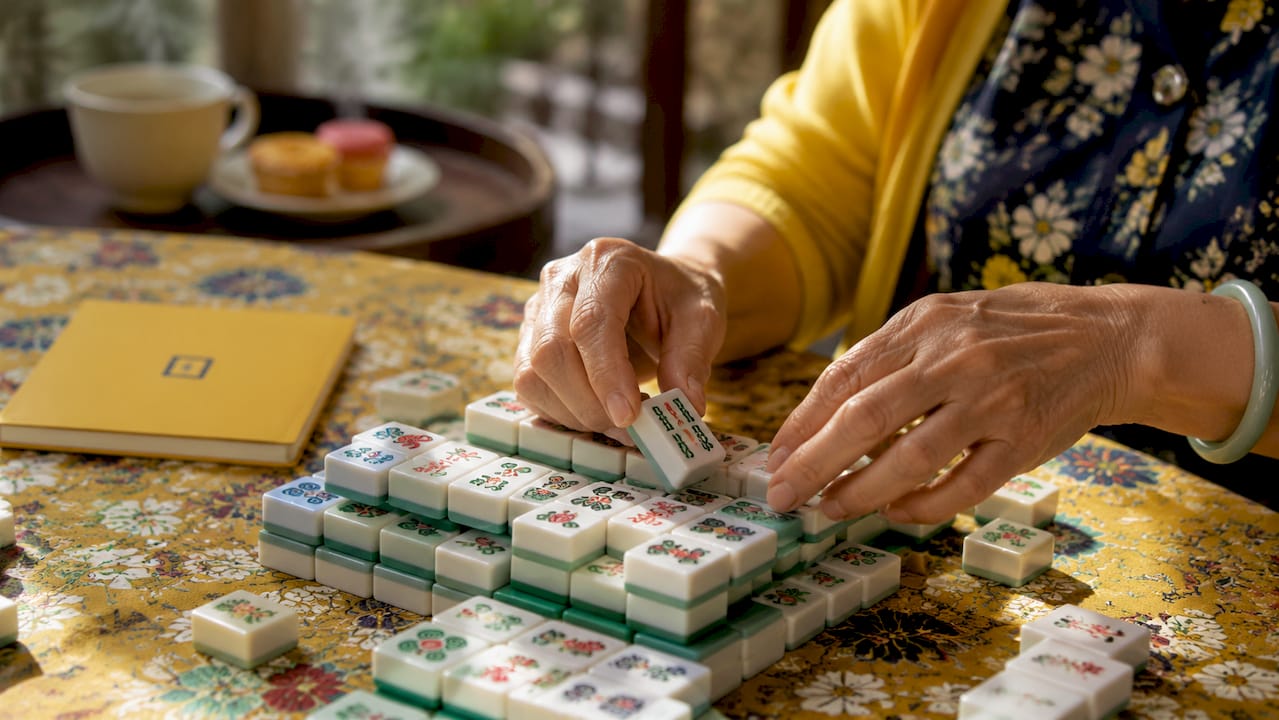
Adjacency blocking is subtler and easier to miss. A tile sitting flat on the table with tiles pressed against both its left and right sides is just as blocked as one buried under a stack. Players often overlook this because the tile looks accessible. Check both sides before assuming a tile is free.
Dead tiles are a related concept worth knowing. A dead tile is one where all four copies of that tile type are visible on the board but none can be matched because they are all blocked. Recognizing dead tiles early prevents you from planning around matches that can never happen.
Pro Tip: Scan the board from top to bottom before making any move. Tiles on the highest layer are always free on top. Start there and work downward to build an accurate picture of what is actually available.
Two specific blocked configurations appear constantly and are worth memorizing. The first is a buried pair: two identical tiles stacked directly on top of each other. You cannot match them together because the lower one is blocked by the upper one. The second is identical twins side by side with tiles pressing in from both outer edges. Both look matchable at a glance but only one (or neither) may actually be free.
What are the most common blocked tile patterns to recognize?
Pattern recognition speeds up your decisions. Once you know what a dangerous configuration looks like, you spot it in seconds instead of spending time re-reading every tile's position.
| Pattern name | Description | Effect on gameplay |
|---|---|---|
| Tall center stack | Five or more tiles stacked vertically in the board's center | Blocks the most tiles; causes deadlocks if ignored |
| Long horizontal wing | A row of tiles extending left or right with tiles pressed on both outer ends | Limits access to interior tiles; hard to peel without planning |
| Brick configuration | A dense rectangular block of tiles with no open sides | Creates isolated zones that can strand entire tile groups |
| Buried pair | Two identical tiles stacked directly on each other | Makes one copy permanently blocked until the top tile is matched elsewhere |
| Sandwiched tile | A single tile with occupied tiles on both sides at the same layer | Appears free but cannot be selected until one neighbor is removed |
The board's center is the highest-risk zone. Prioritizing central stacks is an expert-level strategy because clearing them unlocks the most tiles in the fewest moves. Wings and edges are secondary. They matter, but a deadlock almost always originates in the center.
Experienced players use visual shorthand to read tiles faster. The five-dot tile, for example, displays a quincunx pattern (four dots at the corners, one in the center). Recognizing that shape instantly, without counting dots, saves real time during play. The same applies to the nine-dot tile's three-by-three grid and the one-circle tile's single large circle. Building this visual vocabulary is a skill, not a talent. It develops with deliberate practice.
Pro Tip: Focus on the top two layers of the board first. Tiles there are never blocked from above. Clearing them creates a cascade of newly freed tiles below, giving you more options with each move.
Location on the board also affects how severe a block is. A blocked tile near the center of a tall stack is more damaging than a blocked tile at the far edge of a wing. The center tile, once freed, tends to unlock several others. The edge tile may unlock only one. Weigh severity, not just availability, when choosing your next match.
Step-by-step strategy for managing blocked tiles during play
A clear decision process prevents impulsive moves that create new blocks while solving old ones.
- Scan the full board top-down. Identify every tile that is currently free. Do not start matching until you have a rough map of available tiles.
- Locate the tallest stacks. These are your highest-priority targets. Count the layers if needed. A five-layer center stack needs attention before anything else.
- Evaluate which free tiles unlock the most blocked tiles when matched. A free tile sitting on top of a buried pair is worth more than a free tile at the board's edge covering nothing.
- Check for dead tiles. If all four copies of a tile type are visible and none are free, remove that tile from your mental plan. Chasing an impossible match wastes moves.
- Handle three-of-a-kind situations carefully. When three identical tiles are available, do not match the first two you see. Match the pair that frees the most restricted tile. The third copy stays on the board and may become critical later.
- Match tiles covering layers before matching bottom-layer tiles. A tile on layer three that covers two layer-two tiles is more valuable to remove than a lone tile sitting flat on the table.
- Reassess after every match. Each removal changes the board. A tile that was blocked two moves ago may now be free.
Tile order matters more than most casual players realize. The sequence of your matches determines which tiles become available next. A single out-of-order match can close off an entire section of the board.
Pro Tip: When you spot three identical free tiles, pause. Ask yourself which two, when matched, leave the third in the most useful position. That third tile should ideally sit above another blocked tile you need to reach.
What mistakes cause players to misread blocked tiles?
Most losing boards trace back to a small set of repeatable errors. Knowing them by name makes them easier to catch before they cost you the game.
- Matching the wrong pair of three. Matching the first two identical tiles without considering the third creates unintended blocks. Always assess all three positions before committing.
- Ignoring hidden adjacency blocks. A tile with both sides occupied looks accessible but isn't. Players who skip the side-check routine miss these constantly.
- Pattern chasing too early. Fixating on high-value hand patterns early in the game slows your pace and reduces your win probability. Free the most tiles first. Pursue complex combos only when the board is already open.
- Leaving tall stacks untouched. The most common cause of getting bricked (no legal moves remaining) is ignoring center stacks while clearing easy edge tiles. The stack grows relatively more dangerous with every move you make elsewhere.
- Letting tile isolation develop. A tile becomes isolated when all tiles that could match it are blocked or already matched. Tile isolation is preventable when you track tile availability across the full board, not just the section you are currently clearing.
Recovering from a badly blocked position is possible but requires accepting a lower-efficiency path. Identify the single most blocked tile that is still reachable through a chain of available matches. Work backward from that tile to find the sequence that opens it. This approach rarely saves every tile, but it extends the game and sometimes reveals a path to completion you would have missed otherwise.
Key Takeaways
Identifying blocked tiles accurately, then matching in the right order, is the core skill that separates players who finish boards from those who get stuck.
| Point | Details |
|---|---|
| Two conditions define a free tile | A tile must have no tile above it and at least one open side to be matchable. |
| Center stacks are the highest priority | Clearing the five-layer central stacks first prevents deadlocks and opens the most tiles. |
| Dead tiles must be tracked | Recognizing all four copies of a tile type as blocked prevents wasted moves on impossible matches. |
| Three-of-a-kind requires a pause | Always match the pair that frees the most restricted tile, not the first two you see. |
| Pattern chasing hurts win rates | Prioritize freeing tiles over pursuing complex combos, especially in the early and mid game. |
Why real-time recognition is harder than it looks
I've watched players read every guide available and still freeze at the board. The gap between knowing the rules and applying them under pressure is real. Theoretical knowledge tells you that a tile needs an open side. Real-time play asks you to check twelve tiles simultaneously while the clock runs.
Timed pattern speed drills close that gap. They train your eye to recognize blocked configurations before your conscious mind has finished processing. That is the actual skill. Not memorizing rules, but building reflexes that apply those rules instantly.
My honest observation after years of play: most casual players spend their mental energy on the wrong question. They ask "which tiles can I match?" when they should ask "which match opens the most board?" That shift in framing changes everything. It turns a reactive game into a planning game.
Strategic patience matters more than speed. Rushing a match because a pair is available is the single most common self-inflicted mistake I see. Pause, scan, then act. That three-second habit prevents the majority of avoidable deadlocks. Build it early and it becomes automatic.
— Dmytro Romaniuk
Practice blocked tile recognition at Mahjong Online Club
Mahjong Online Club gives you a free, distraction-free environment to put these skills into practice immediately, with no registration required.
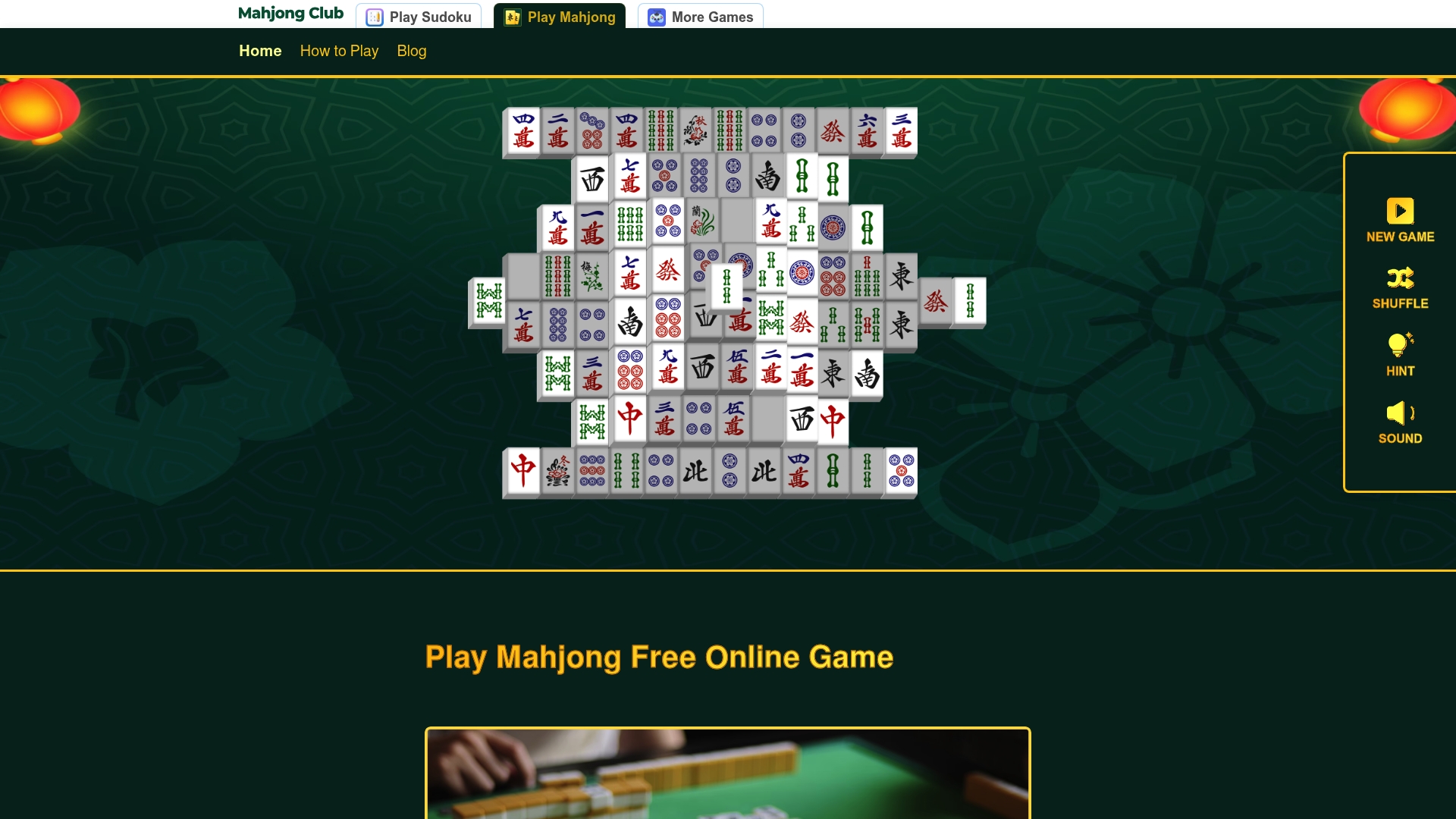
The platform runs classic tile sets directly in your browser, so you can apply the top-down scanning method, practice three-of-a-kind decisions, and test your center-stack prioritization in real games. Mahjong Online Club also publishes strategy guides for beginners that build on the pattern recognition skills covered here. When you are ready to play, start a free game and use the board as your training ground. Every session sharpens your ability to read blocked configurations faster and make better matching decisions.
FAQ
What makes a tile blocked in Mahjong?
A tile is blocked when it has another tile resting on top of it or when both its left and right sides are occupied by adjacent tiles. Both the top and at least one side must be clear for a tile to be free.
How do I spot a buried pair?
A buried pair is two identical tiles stacked directly on top of each other. The lower tile is always blocked until the upper tile is matched and removed from the board.
Why should I clear center stacks first?
Center stacks, especially five-layer configurations, block the most tiles at once. Clearing them early prevents deadlocks and creates the largest number of newly free tiles per move.
What is a dead tile in Mahjong?
A dead tile is any tile type where all four copies are visible on the board but none can currently be matched because they are all blocked. Tracking dead tiles prevents you from planning around impossible matches.
How do I choose which pair to match when three identical tiles are free?
Match the pair that frees the most restricted tile on the board, not the first two you encounter. The third copy stays in play and may unlock a critical tile in a later move.
Recommended
Similar Articles
Mahjong Titans cheats: Solvers, Hints, and Legit Shortcuts
Expert guide to Mahjong Titans cheats that still work. Data-backed, safe solvers, and pro hints to boost your win rate—without breaking the game.
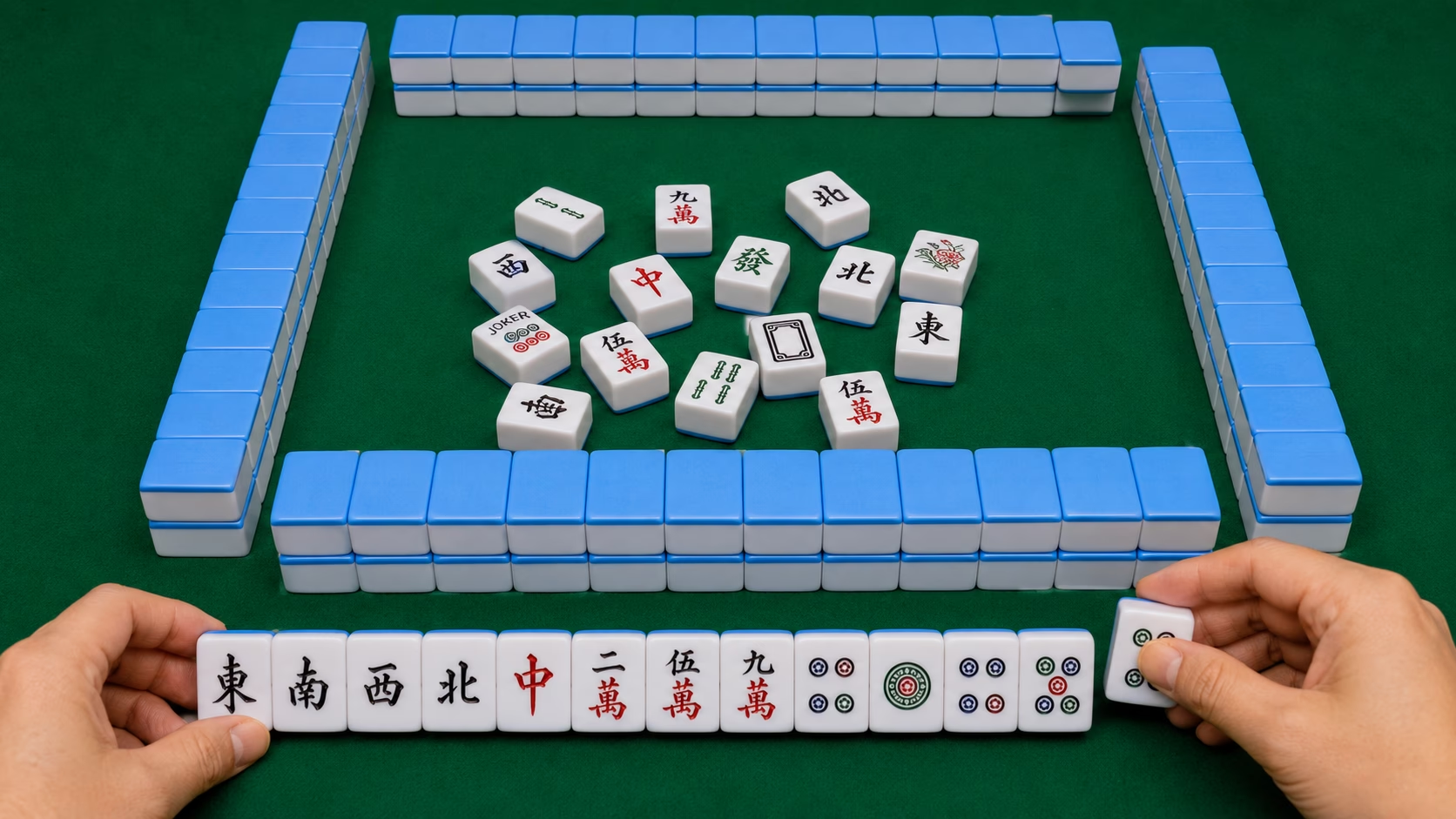
American Mahjong vs Chinese Mahjong: Rules, Scoring & Sets
American Mahjong vs Chinese Mahjong: Expert guide to rules, scoring, and set differences. Data-backed insights and practical tips to choose your style.
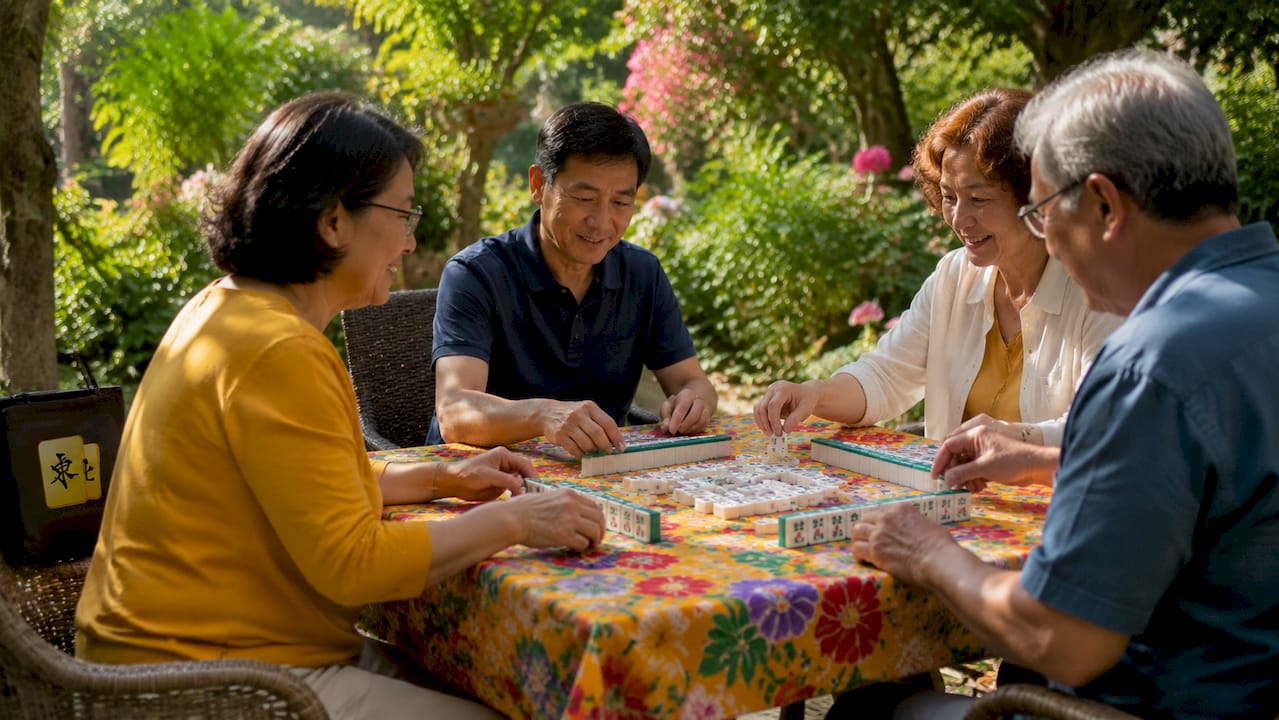
Mahjong for Mood Improvement: Benefits and Tips
Discover how playing mahjong for mood improvement can enhance your mental health. Boost mood, sharpen your mind, and connect socially.